Technology news and discussion on TalkFuse.
Mind-Merging With Machines By 2040 Was Reportedly Once The Plan Of AI Billionaire Headed For Wall Street
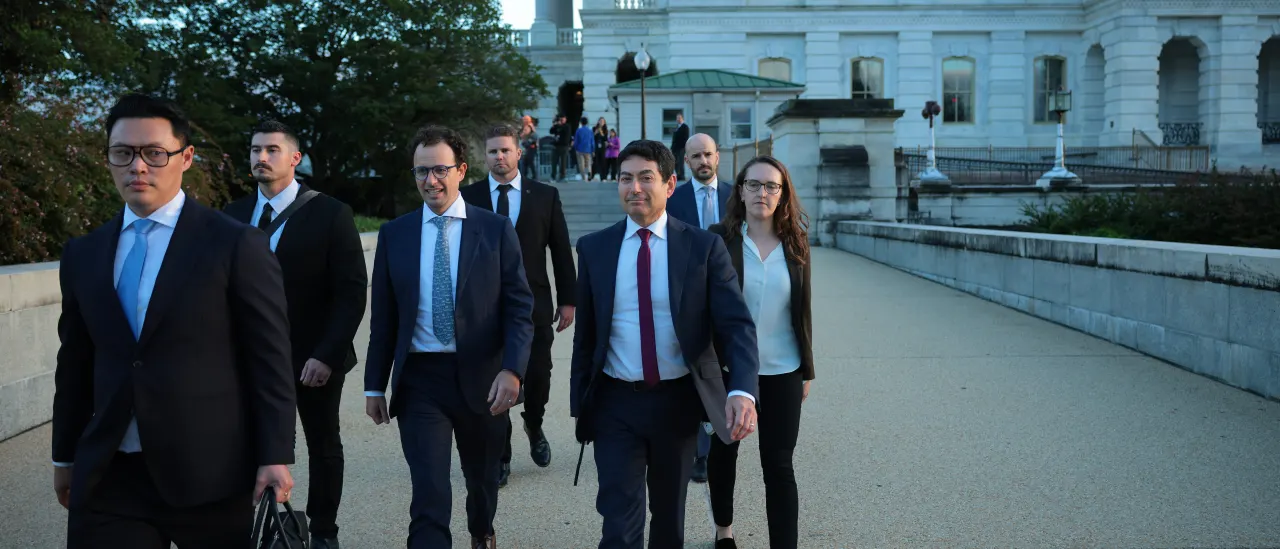
Dario Amodei, chief executive of Anthropic, reportedly predicted in 2007 that humans might merge with artificial intelligence and that the Singularity could arrive by 2040. The account offers context for his longstanding concern about AI’s risks and his support for careful development and regulation as Anthropic approaches a public offering.
A former classmate described Amodei as deeply focused on building AI safely, while he reportedly encouraged friends and his sister to attend conferences on the Singularity. His interests included transhumanism and writing about existential risks from AI; he has also argued for tighter controls on advanced chip sales to China and for slowing frontier AI development. Anthropic was valued at $1.45 trillion ahead of its anticipated offering, and Amodei has said he would rather face criticism for strict safeguards than risk AI being used to cause mass harm.
In short
- Amodei reportedly foresaw human-machine merging and the Singularity by 2040.
- His views inform Anthropic’s emphasis on AI safety and regulation.
- He has called for slower AI progress and tighter chip controls on China.
Steelman: both sides, in good faith
The strongest fair case each way — we don't pick a winner.
The case for
Amodei’s reported early interest in the Singularity may help explain why he treats advanced AI as a serious, long-term risk. Supporters of strict safeguards argue that powerful systems could enable large-scale harm, so slowing development and limiting access to key technology are prudent ways to reduce risks before they become harder to manage.
The case against
Predictions about a 2040 Singularity made nearly two decades ago are uncertain, and early speculation does not by itself show that today’s AI warrants restrictive policies. Critics may argue that broad controls on development or chip sales could hinder useful innovation, concentrate influence among a few firms or governments, and impose costs without reliably preventing misuse.