Business news and discussion on TalkFuse.
Mining giant joins fight to stop killer toad march across Australia
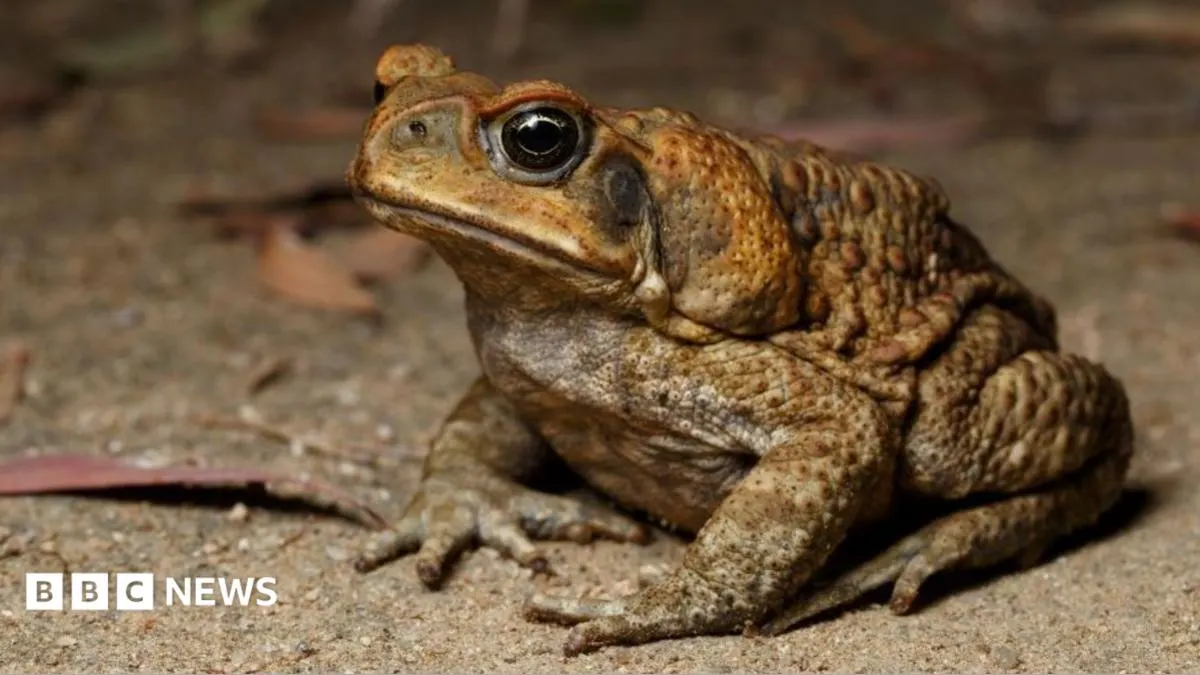
Rio Tinto and Curtin University are backing a five-year, A$28m plan to stop poisonous cane toads reaching the Pilbara region of Western Australia. The project aims to protect native wildlife and the area’s ecosystem, while also involving Indigenous rangers in efforts to care for Country.
The proposed containment zone would cover 7,500 sq km between the Great Sandy Desert and the Indian Ocean, restricting the toads’ access to artificial water sources. Cane toads, introduced to Australia in 1935, have spread west by about 40 to 60 km a year; a Curtin University professor says they could reach the Pilbara within two decades without intervention. Species at risk include the northern quoll, goanna and ghost bat, and work is due to begin in 2027.
In short
- Rio Tinto is helping fund a A$28m cane toad barrier.
- The project aims to protect wildlife across 7,500 sq km.
- Without action, cane toads could reach the Pilbara within 20 years.
Steelman: both sides, in good faith
The strongest fair case each way — we don't pick a winner.
The case for
Supporters argue that preventing cane toads from spreading into the Pilbara could protect native species and ecosystems from a serious, foreseeable threat. They see early containment, backed by research and Indigenous ranger knowledge, as a practical way to care for Country before the toads become harder to control.
The case against
Critics could argue that a large, costly containment project may have uncertain long-term effectiveness against a species that has spread widely across Australia. They may question whether restricting access to artificial water sources will justify the expense and disruption, and favour directing resources towards other conservation measures or helping wildlife adapt.
Explained simply
Cane toads were brought to Australia in 1935 to control insect pests, but they spread beyond the areas where they were released. They produce poison that can kill animals that try to eat them, including native predators.
The Pilbara is a large region in Western Australia, home to wildlife such as northern quolls, goannas and ghost bats. Rio Tinto, a mining company with operations in the region, and Curtin University are involved in a plan to limit the toads’ westward spread and protect habitats there.
The plan also involves Indigenous rangers, who care for Country — the land, waters and living things connected to Indigenous communities. Its proposed barrier would restrict the toads’ access to artificial water sources across a large area between the Great Sandy Desert and the Indian Ocean.