Australian minister urges banks to cover small businesses’ card fees
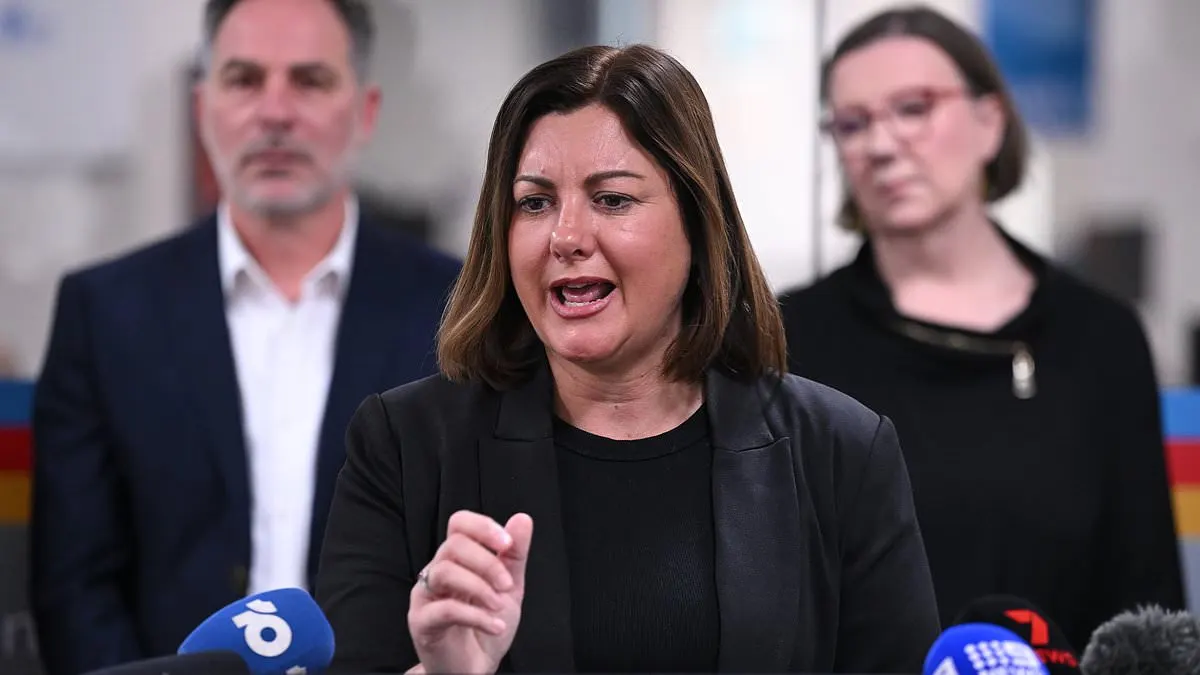
An Australian government minister is calling for banks to absorb point-of-sale transaction fees charged to small businesses. This extends the Reserve Bank's controversial surcharge ban, which took effect on 1 October and was designed to save consumers $1.6 billion annually but sparked backlash, with some businesses raising prices and banks increasing credit card fees.
Emergency Services Minister Kristy McBain said the RBA should ban the on-charging of point-of-sale machine fees to small businesses and organisations. The government has faced mounting criticism over the original surcharge ban, delaying the Australian Tax Office's plan to stop accepting credit card payments until June 2027, whilst opposition figures accuse the government of hypocrisy and sending mixed messages to small business owners.
- Minister calls for banks to absorb card fees for small businesses
- Surcharge ban sparked backlash as businesses raised prices despite savings
- Government delays credit card payment ban for tax offices until June 2027
New here? Start with this
Australia's Reserve Bank banned surcharges on 1 October 2026, preventing shops from adding extra fees to credit card purchases. The policy was intended to save consumers $1.6 billion each year. However, it sparked controversy as some businesses raised their prices and banks increased credit card fees to make up for lost revenue.
Small businesses and charities must pay point-of-sale fees to banks – charges for the machines that process card payments in their shops. Unlike the surcharge ban for consumers, these business fees remain unregulated. This means small organisations now face higher costs at the same time the consumer surcharge ban was introduced to benefit them.
The situation reflects the broader challenge of financial regulation. Whilst the surcharge ban targeted consumer protection, unintended effects have emerged affecting different parts of the economy, raising questions about how fairly financial system changes are distributed.
Both sides, in good faith
The strongest fair case each way — we don't pick a winner.
The case for
Supporters argue that consumers should not face hidden surcharges for using standard payment methods, especially when payment processing is a fundamental cost of modern banking that institutions should absorb as routine business expense. The $1.6 billion annual saving matters significantly for households struggling with cost-of-living pressures, and preventing surcharges protects lower-income Australians from regressive pricing. Payment systems are essential infrastructure, not optional services that should carry itemised fees borne by individual consumers.
The case against
Critics contend the policy misconceives the problem by preventing banks from disclosing costs rather than eliminating them, meaning expenses simply reappear as higher account fees, credit card charges, and interest rates that ultimately affect the same consumers. Small businesses face real difficulties accepting cards without passing costs to customers, yet are pressured to do so without support, whilst the government's own resistance to applying the rule to the ATO reveals internal acknowledgement that these costs cannot vanish. Rather than addressing the underlying economics of payment processing, the regulation merely obscures where costs fall and creates market inefficiencies by divorcing prices from actual expenses.
Read the full article at the source →
Originally published by Daily Mail as “Minister floats bank card fee change on top of surcharge ban that sparked uproar”.