Minneapolis will vote to ax its woke Office of Community Safety created to try and replace cops in wake of George Floyd’s murder
Developing story first seen 59 minutes ago
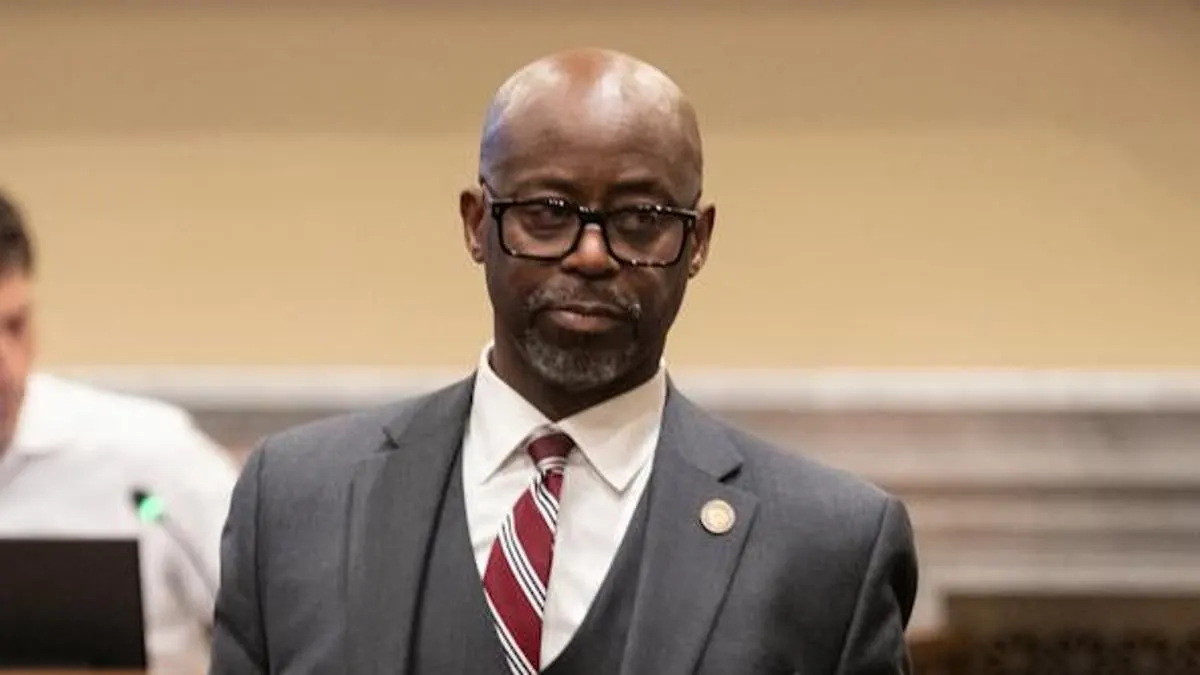
Minneapolis City Council is set to consider eliminating the Office of Community Safety, created in 2022 after George Floyd’s murder to reshape how the city provides public safety. Council members say the office has failed to deliver meaningful results, while Mayor Jacob Frey argues that scrapping it without a replacement plan could put services at risk.
The council will hold a public hearing on 27 October. Commissioner Toddrick Barnette, who has overseen police, fire and 911 services since 2023, earns nearly $350,000 a year and plans to leave in December after the council rejected his renomination. Critics cite budget overruns, limited presence at meetings and poor communication; one councillor praised his connection with local residents.
- Minneapolis councillors will consider abolishing the Office of Community Safety.
- The public hearing is scheduled for 27 October.
- The office’s commissioner plans to step down in December.
New here? Start with this
Minneapolis created its Office of Community Safety in 2022, after the murder of George Floyd by a police officer. The office was intended to reshape how the city provides public safety, including how services beyond traditional policing fit into that work.
The office oversees services including the police, fire department and 911 emergency response. Its commissioner, Toddrick Barnette, has been in the role since 2023; the city council rejected his renomination, and he plans to leave in December.
The debate matters because changing the office could affect how residents access public safety services. The mayor says a replacement plan is needed to avoid putting those services at risk.
Both sides, in good faith
The strongest fair case each way — we don't pick a winner.
The case for
Supporters of eliminating the Office of Community Safety may argue that an office created to improve public safety should be judged by its results, and that reported budget overruns, weak communication and limited engagement show it is not delivering enough to justify its cost. They may see restructuring as a chance to make accountability clearer and direct resources towards services residents can assess and rely on.
The case against
Opponents may argue that the office was created to broaden how Minneapolis provides public safety after George Floyd’s murder, and that ending it without a replacement plan could disrupt services or undo useful work. They may favour addressing concerns about spending, leadership and communication through reform, while preserving the city’s capacity to develop approaches alongside conventional policing.