Politics news and discussion on TalkFuse.
‘Misleading voters’: Ossoff warns donors he’s falling behind despite leading Senate fundraising
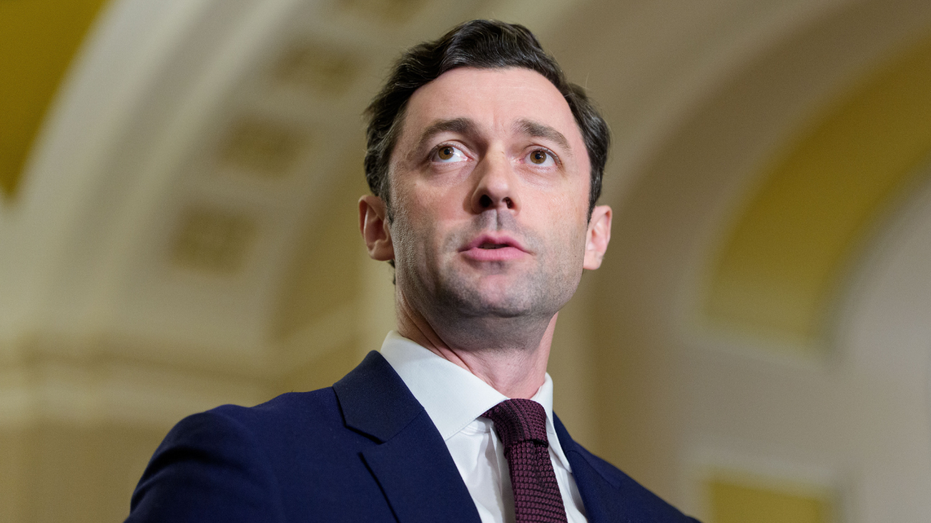
Democratic Senator Jon Ossoff of Georgia has been telling donors that his re-election campaign is falling behind and urgently needs more funding to keep its advertising on air, despite building one of the largest campaign war chests of any Senate candidate in the country. The appeal has drawn accusations from critics that Ossoff is misleading supporters about his true financial position ahead of a pivotal 2026 midterm contest that could help determine control of the Senate.
Ossoff's campaign has raised $68.7 million to date, putting him well ahead of rivals in fundraising for his Georgia seat. His likely Republican challenger, Mike Collins, has meanwhile attacked Ossoff over his acceptance of $700,000 in donations from the Southern Poverty Law Center, framing the incumbent as out of touch with Georgia voters while touting his own private-sector background and President Donald Trump's endorsement.
In short
- Ossoff tells donors he's short of cash despite leading Senate fundraising
- Critics accuse him of misleading supporters over his war chest
- Georgia Senate race is a key 2026 midterm battleground
Steelman: both sides, in good faith
The strongest fair case each way — we don't pick a winner.
The case for
Campaign fundraising is perpetual and competitive. Even frontrunners require sustained resources throughout an election cycle to maintain advertising, field operations and voter outreach through Election Day. Having raised more than rivals does not mean a campaign has sufficient funds for its strategic needs; what matters is whether spending matches the scale of opposition spending and the competitive demands of winning. Fundraising appeals necessarily emphasise the stakes and need for continued support without necessarily making false claims about absolute position relative to other candidates nationwide.
The case against
Telling donors one is 'falling behind' whilst simultaneously holding the largest war chest among Senate candidates appears to exploit supporter concerns based on a materially misleading representation. Donors reasonably interpret 'falling behind' to mean trailing one's actual opponent, not simply that more money would be welcome. This raises legitimate ethical concerns about campaign honesty and whether candidates have a responsibility to represent their true competitive position accurately rather than manufacturing false urgency to extract additional donations.
Explained simply
Jon Ossoff is a Democratic Senator from Georgia facing re-election in 2026, a midterm year when Senate seats across the country are contested. His campaign is appealing to donors for urgent financial support, claiming his candidacy is falling behind despite having raised $68.7 million—more than most Senate candidates nationally.
Senate midterm elections are particularly important because they can shift which party controls the chamber and its legislative agenda. Georgia is a politically competitive state where recent Senate races have been tightly contested, making Ossoff's seat a potential battleground in determining overall Senate control.
Ossoff's fundraising appeals have prompted accusations that he is misleading supporters about the strength of his position. His expected Republican challenger, Mike Collins, has attacked Ossoff's acceptance of donations from the Southern Poverty Law Center and highlighted his own business background and endorsement from President Trump.
Elections Government Politics World