Missouri grandma ordered to stop serving free breakfasts refuses to back down, ‘They are my family’
Developed over time first seen 2 months ago
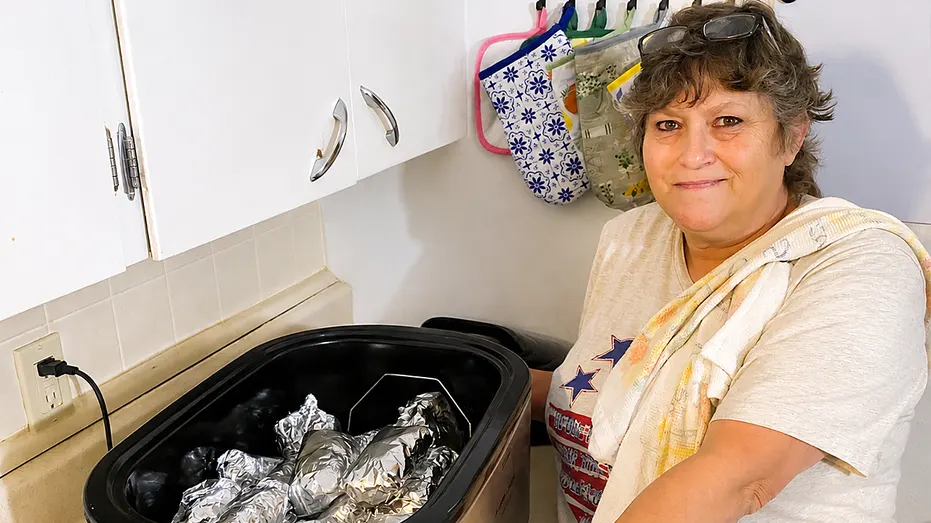
Missouri grandmother Kathy Kite has continued serving free breakfasts from her Harrisburg home after Boone County health officials said she needed a food permit to do so. The dispute has drawn support from the Goldwater Institute, which challenged the department’s legal reasoning and said litigation remained possible, raising questions about how food-safety rules apply to informal community hospitality.
Kite began the breakfasts in May after the local petrol station where she works stopped its breakfast service, and the gatherings grew to include neighbours and schoolchildren in a town of fewer than 300 people. She says compliance would require a costly commercial kitchen in her 115-year-old home; the health department said its July letter did not threaten her with jail, although Kite said she feared fines and imprisonment after receiving it.
- Missouri grandmother continues free community breakfasts despite permit dispute.
- Legal group challenges county health department’s position.
- Disagreement centres on food-safety rules and commercial-kitchen requirements.
New here? Start with this
Kathy Kite, a grandmother from the small town of Harrisburg, Missouri, began cooking free breakfasts for neighbours at her home in May, after the petrol station where she worked stopped offering its own breakfast service. What started informally grew into a daily gathering that many in the town, which has fewer than 300 residents, now rely on.
In July, the local health department told Kite she would need a food permit to keep serving meals, warning of possible fines or legal action if she did not comply. Getting a permit would mean fitting a commercial kitchen into her century-old house, a cost she says would run into hundreds of thousands of dollars and which she is unwilling to pay.
The case has drawn in the Goldwater Institute, a libertarian legal advocacy group that argues government regulation is being applied too heavily here, and which is now pressing the health department to explain its decision. The dispute touches on a wider, recurring tension between food safety rules designed to protect the public and informal community efforts like Kite's, and has turned a small-town breakfast club into a test case watched by people on both sides of that debate.
Both sides, in good faith
The strongest fair case each way — we don't pick a winner.
The case for
Supporters of Kathy Kite argue this is exactly the kind of neighbourly, voluntary mutual aid that communities should be free to organise without state interference, especially in a town of fewer than 300 people where she has stepped in to fill a genuine gap left by a shuttered local business. They contend that applying commercial food-permit rules, designed for restaurants serving paying strangers at scale, to a woman cooking breakfast for people she knows in her own home is a disproportionate and absurd regulatory burden, particularly when compliance would cost hundreds of thousands of dollars she plainly does not have. For them, the case exemplifies a legitimate concern about bureaucratic overreach crowding out ordinary acts of generosity and community self-reliance.
The case against
Defenders of the health department's position argue that food-safety permitting exists precisely because good intentions do not prevent foodborne illness, and that regulators cannot simply take an individual cook's word that their kitchen and practices are safe. They point out that rules requiring proper food handling, storage and inspection protect vulnerable people, such as children, the elderly or those with weakened immune systems, who may be among those eating the free meals, and that consistent enforcement matters precisely because carving out exceptions for sympathetic cases would make the permitting system unworkable and unfair to businesses that do bear those costs. On this view, the department is not targeting generosity but simply applying a uniform, precautionary standard designed to prevent harm before it occurs.