Mistral Says Its AI Model ‘Le Chonk’ Has Leapfrogged China in the Open-Weight Race
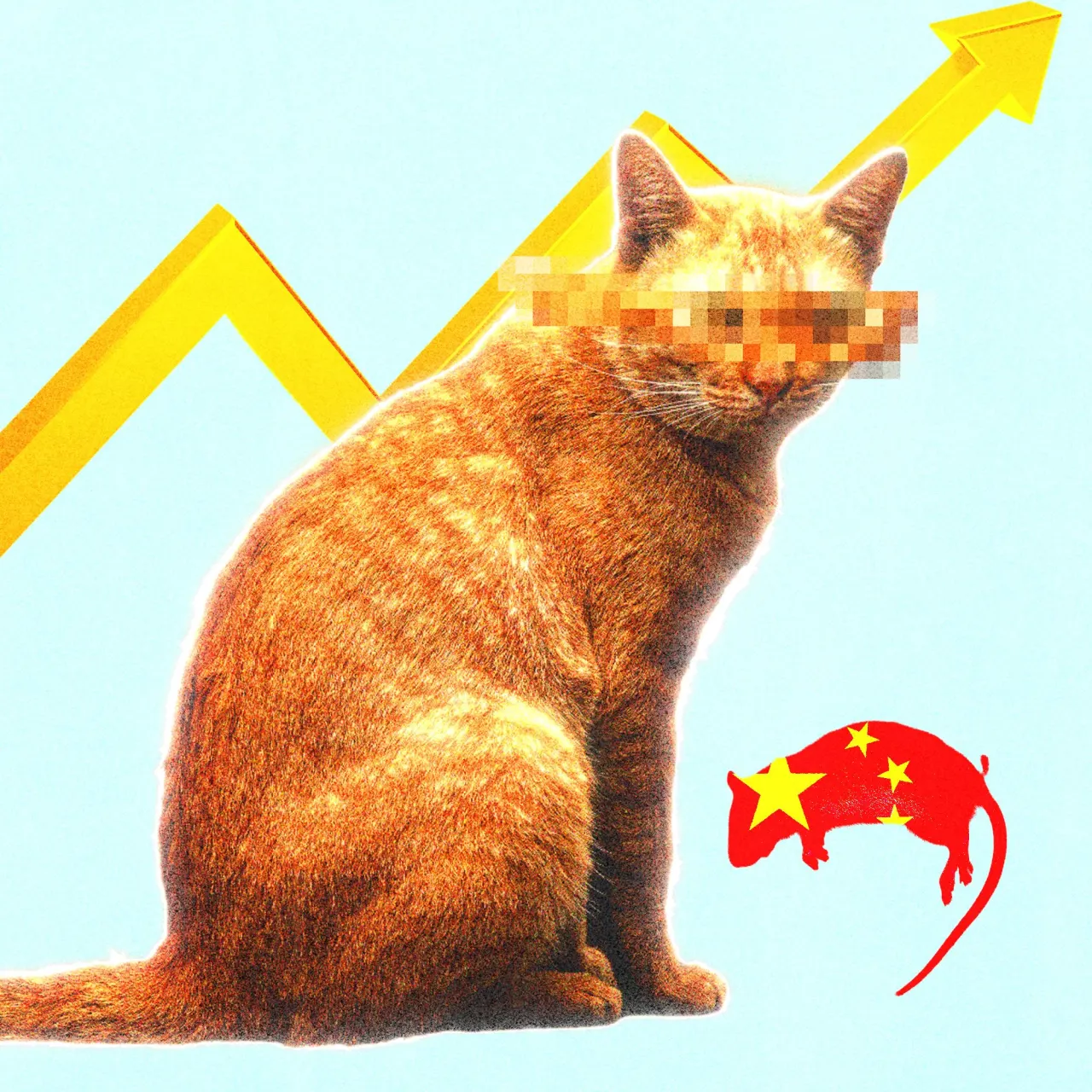
Mistral says its trillion-parameter open-weight AI model, Le Chonk, has caught up with or surpassed models from leading Chinese labs in cybersecurity and coding tasks. The company argues that freely available advanced models could help Western businesses and governments defend against cyber threats and avoid relying on systems that providers can remotely disable.
Mistral says it trained Le Chonk with increasingly difficult problems, and the finalized model is now freely available. Open weights also carry risks: anyone can download and adapt them, including for harmful purposes. Security expert Rafe Pilling says advanced models from any country can behave unpredictably without careful supervision, making monitoring and controls essential.
In short
- Mistral says Le Chonk matches or beats leading Chinese models.
- The open-weight model is freely available.
- Experts warn that open models can be misused without strong controls.
Steelman: both sides, in good faith
The strongest fair case each way — we don't pick a winner.
The case for
Mistral’s case is that strong, freely available models could help Western organisations build cyber defences and reduce dependence on systems controlled by providers that may restrict access. If Le Chonk performs as claimed, open weights could also widen access to advanced coding and security tools beyond a small group of companies.
The case against
Making a powerful model’s weights freely available means anyone can adapt it, including for harmful cyber activity, while limiting the provider’s ability to monitor or disable it. Because advanced models can behave unpredictably, critics argue that wider release should depend on careful safeguards and oversight, and that Mistral’s performance claims alone do not settle whether the benefits outweigh those risks.
Explained simply
Mistral is a French artificial intelligence company that develops large language models: systems trained on large amounts of data to generate text and help with tasks such as writing code. The size of a model is often described by its number of parameters, but size alone does not show how well it performs.
An open-weight model makes its trained components available for others to download and adapt, rather than offering access only through a company’s online service. This can give businesses and governments more control over how they use the technology, but it also means the model’s creators may have less control over who uses it or for what purpose.
Cybersecurity and coding tests are one way to compare AI models, though results depend on the tests chosen and do not settle how useful or safe a model is in practice. Advanced systems can produce unpredictable results, so organisations using them need to consider oversight and safeguards.
AI Asia Cybersecurity Technology World