Sport news and discussion on TalkFuse.
‘MNF’ thriller legally ended two seconds early as clock operator error costs Bengals final play
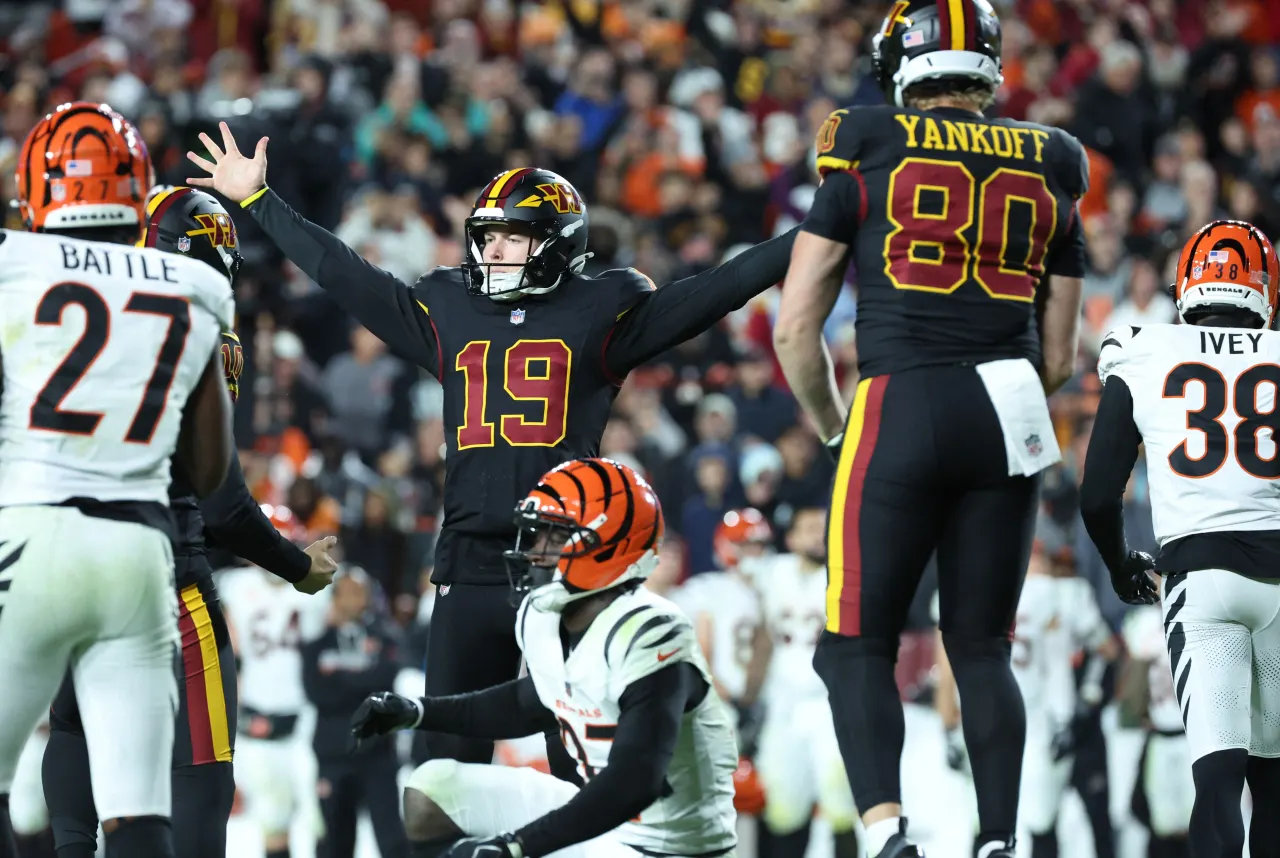
Washington beat Cincinnati 22-20 on Monday Night Football after Drew Stevens kicked a 26-yard field goal, but a clock operator error meant the game officially ended two seconds earlier than it should have. ESPN rules analyst Russell Yurk said the clock should have stopped when the ball hit the net; however, replay rules did not allow officials to restore the time because the next play would have been a kickoff.
The broadcast said two seconds remained when the kick hit the net, but that time could not be put back on the clock under the applicable rule. Jayden Daniels had led Washington 64 yards with two passes to set up the winning kick. The Bengals therefore lost the chance to take any final action, though the article notes that the remaining seconds might not have changed the outcome.
In short
- A clock error cut two seconds from the end of the game.
- Replay rules prevented officials from restoring the time.
- Daniels’ 64-yard drive set up Washington’s winning kick.
Steelman: both sides, in good faith
The strongest fair case each way — we don't pick a winner.
The case for
The result should stand because officials applied the replay rules in force, which did not permit restoring time when the next play would have been a kickoff. A clear, consistently applied procedure protects the integrity and pace of the game, and the two seconds may not have changed the outcome.
The case against
Cincinnati should have had the chance to use the time it had earned: the clock operator’s error ended the game early, and the analyst said the clock should have stopped when the ball hit the net. Denying the Bengals any final action because of a procedural limit makes them bear the cost of an officials’ mistake, even if those seconds might not have altered the result.