Molly Russell’s father to warn cinema audiences of Instagram’s role in her death
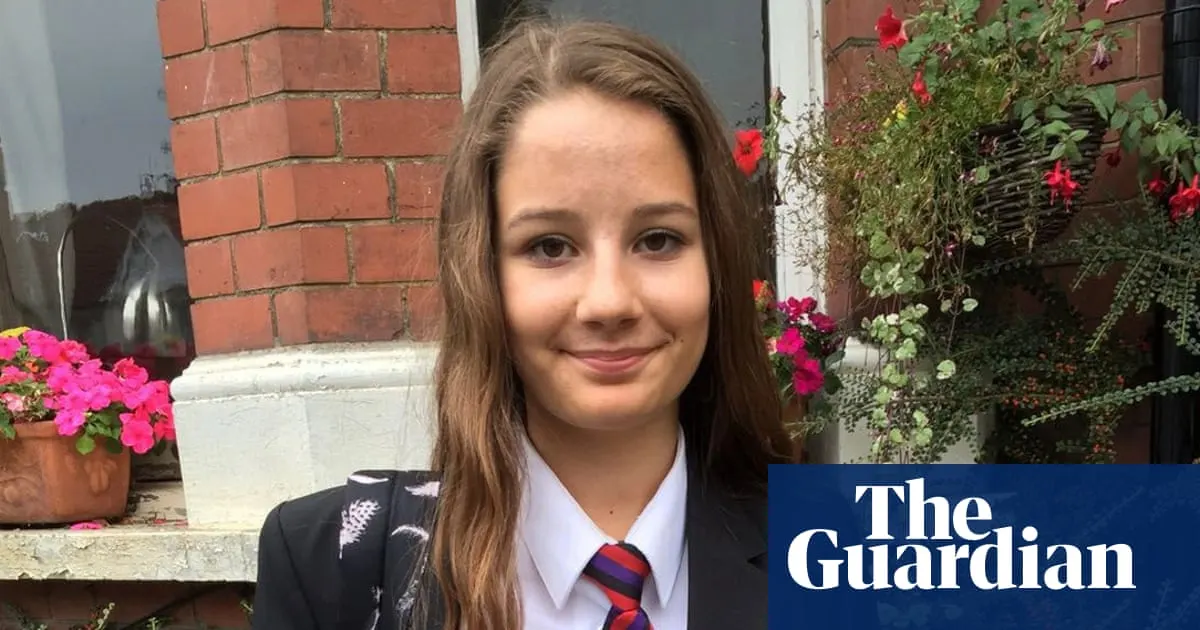
Ian Russell will tell UK cinema audiences that Instagram helped kill his daughter Molly, who died by suicide aged 14 in 2017 after viewing harmful content on the platform. His 30-second advert will run before screenings of The Social Reckoning, a film about Facebook whistleblower Frances Haugen, and asks viewers to support the Molly Rose Foundation. Russell says too little has changed to protect young people, keeping pressure on social media companies over online safety.
The advert will screen at Everyman, Curzon, Showcase and AMC cinemas, with space donated by Pearl & Dean; Bauer Media Audio is also donating space for a separate charity advert aimed at parents. A 2022 inquest found Molly died from self-harm while experiencing depression and the negative effects of online content, and said algorithms had pushed harmful material to her. Meta says it has since introduced safety measures for teenagers, including private accounts by default for under-18s and restrictions on messages and content.
- Ian Russell’s advert will run before UK screenings of The Social Reckoning.
- He says too little has changed since Molly died aged 14.
- The campaign asks audiences to support the Molly Rose Foundation.
New here? Start with this
Molly Russell was a 14-year-old who died by suicide in 2017 after viewing harmful content on Instagram. A 2022 inquest found that the platform's algorithms had directed distressing material towards her whilst she was experiencing depression.
Her father, Ian Russell, has campaigned for better protections for young people on social media. He founded the Molly Rose Foundation to drive this change, and the cinema advert is part of the current campaign to raise awareness and support.
Meta, Instagram's parent company, has introduced several safety measures for teenagers since Molly's death, including making accounts private by default for under-18s and restricting messages. Russell contends that too little has changed to adequately protect young people from harmful online content.
Both sides, in good faith
The strongest fair case each way — we don't pick a winner.
The case for
Tech platforms use algorithms designed to maximise user engagement, and evidence from inquests and researchers shows these systems can amplify harmful content to vulnerable young people. When such algorithms demonstrably contribute to a teenager's death, companies bear responsibility for reducing these harms. Meta has had substantial time and resources to strengthen protections yet progress has been limited, justifying public pressure to drive more meaningful action on youth safety.
The case against
Whilst online content may be a contributing factor among many, suicide is caused by complex interactions involving mental health conditions, family circumstances, and individual vulnerability. Attributing a young person's death primarily to a single platform, though understandable, risks oversimplifying causation and may divert attention from mental health services and family support. Meta has implemented various safety measures; determining the appropriate balance of responsibility between companies, parents, users, and mental health systems requires nuanced policy rather than campaigns emphasising single causation.
Read the full article at the source →
Originally published by The Guardian as “Molly Russell’s father to tell UK cinemagoers: ‘Instagram helped kill my daughter’”.