‘Moonshiners’ stars challenge notorious warning that outlaw liquor can make you go blind
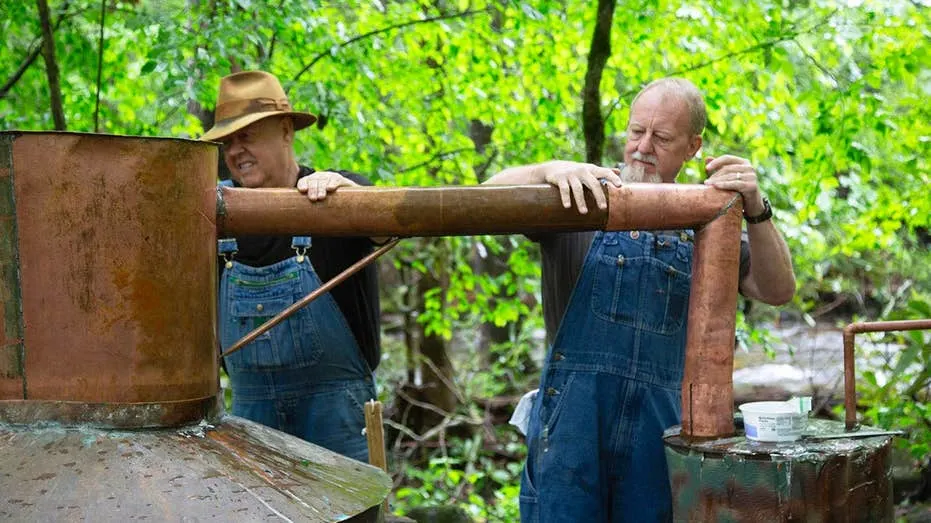
*Moonshiners* stars Mark Ramsey and Eric “Digger” Manes say the warning that moonshine can cause blindness is rooted partly in Prohibition-era poisoning, rather than being an inherent effect of the drink. Their account highlights how government treatment of industrial alcohol and unsafe equipment contributed to real health risks.
During Prohibition, toxic additives, including methanol, were put into industrial alcohol to deter drinking; some was diverted to the illegal market, and 66 people died in New York on Christmas Day 1926 after consuming poisoned alcohol. Ramsey says lead in still solder also caused problems when it contaminated spirits, while health authorities warn that improperly made liquor can still contain methanol and cause blindness or death. The article also notes that spirits can be made legally with the required licences, while US appeals courts have recently disagreed over restrictions on home distilling.
- Moonshine does not inherently cause blindness.
- Prohibition-era alcohol poisoning killed 66 people in New York in 1926.
- Methanol contamination and lead from stills can pose genuine risks.
New here? Start with this
Moonshine is an informal name for spirits made outside the legal system, often in small stills. In the United States, making spirits for sale requires licences, and rules also restrict home distilling.
During Prohibition, from 1920 to 1933, alcohol was banned in the US. Some industrial alcohol was treated with toxic chemicals, including methanol, to deter people from drinking it; some was diverted to illegal sellers, leading to fatal poisonings. Lead from equipment such as still solder could also contaminate spirits.
Methanol can cause blindness or death, so unsafe or poorly made liquor remains a serious health risk. The history helps explain why warnings about moonshine are widespread, while disagreements in US appeals courts over home distilling reflect continuing debate about how it should be regulated.
Both sides, in good faith
The strongest fair case each way — we don't pick a winner.
The case for
The warning can overstate the danger of properly made moonshine: blindness was linked in part to methanol-tainted industrial alcohol diverted during Prohibition and to lead contamination from unsafe equipment. From this perspective, the history points to poisoning and poor production practices, not an inevitable effect of the drink itself; licensed production offers a regulated way to make spirits.
The case against
The warning remains justified as a practical public-health message because illicit or improperly made liquor can still contain methanol, which can cause blindness or death. Consumers may not be able to judge how a spirit was produced, and the history of toxic additives and contaminated equipment shows how serious the consequences can be when production is unsafe or unregulated.