Culture news and discussion on TalkFuse.
More asbestos found in Parliament, as MPs urged to get on with revamp
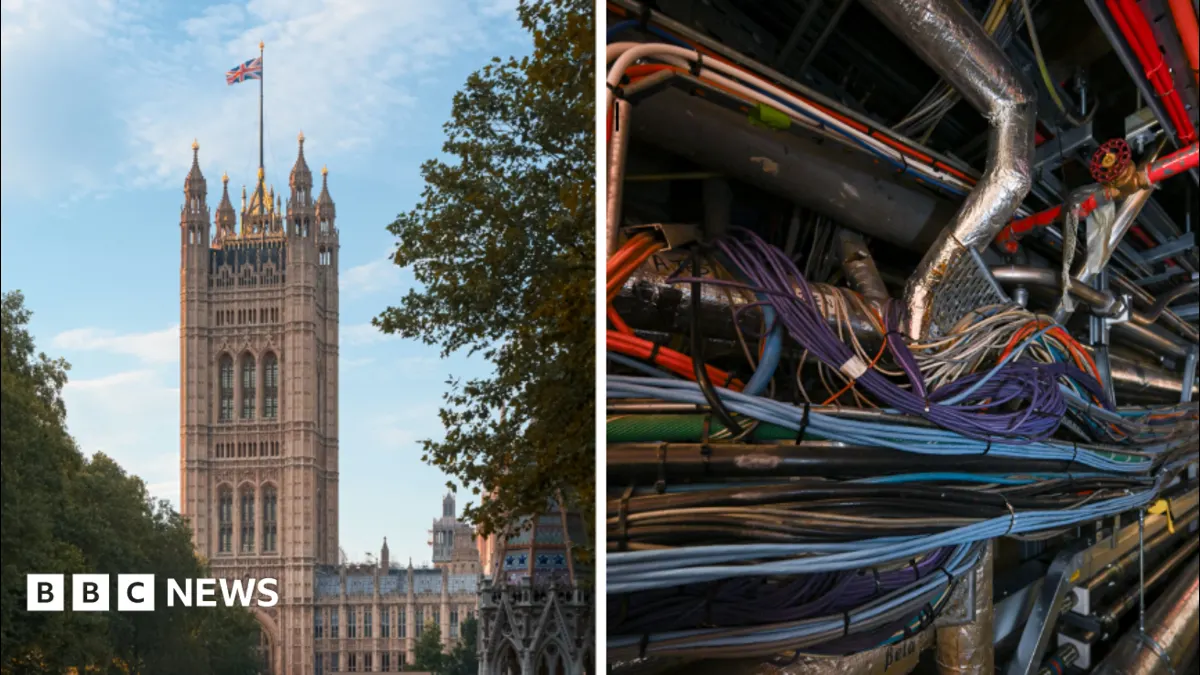
More than 1,650 asbestos-containing items are now known to be present across the Palace of Westminster and the wider parliamentary estate, 500 more than in 2021. The discovery adds urgency to calls for MPs to approve a major refurbishment, as ageing buildings pose safety and heritage risks and delays are costly.
Surveys for the proposed restoration found further asbestos, even though 700 items have been removed in the past five years. Most known items are classed as low risk because they are concealed, while almost 200 are medium risk and may need remedial work. The refurbishment could cost up to £40bn and take 61 years; a parliamentary committee says each year of delay costs taxpayers £420m. Parliament says it is improving monitoring and training, while campaigners call for a precautionary approach and phased removal from public buildings.
In short
- More than 1,650 asbestos items are recorded across Parliament.
- Almost 200 items are classed as medium risk.
- Delays to refurbishment cost taxpayers £420m a year.
Steelman: both sides, in good faith
The strongest fair case each way — we don't pick a winner.
The case for
Supporters of approving the refurbishment argue that the growing asbestos inventory, ageing infrastructure and rising costs of delay make a planned overhaul safer and more economical than continued piecemeal repairs. A comprehensive programme could improve monitoring, remove hazardous material in a controlled way and protect the historic buildings for future generations.
The case against
Those urging caution argue that a project estimated to cost up to £40bn and last 61 years needs stronger scrutiny, clear cost controls and a credible plan before MPs commit. They may favour targeted, phased work that prioritises higher-risk asbestos and public safety while avoiding an open-ended programme that could impose substantial costs on taxpayers and disrupt Parliament for decades.
Explained simply
The Palace of Westminster is the historic complex where the House of Commons and House of Lords meet. Asbestos was widely used in older buildings because it resists heat, but fibres can cause serious illness if disturbed and breathed in.
Parliament manages the palace and other buildings on its estate, where surveys have identified asbestos-containing materials. Most are hidden and assessed as low risk; others may need work to reduce the chance of exposure. The proposed restoration is intended to address the buildings’ condition while protecting their historic features.
The scale and timing of the work matter because repairs could take decades and delay adds to the cost for taxpayers. Decisions by MPs about how to organise and fund the refurbishment will affect building safety, parliamentary operations and the preservation of the estate.
Culture Fashion Government Politics