World news and discussion on TalkFuse.
More climate money for Africa? Europe says use what’s already pledged
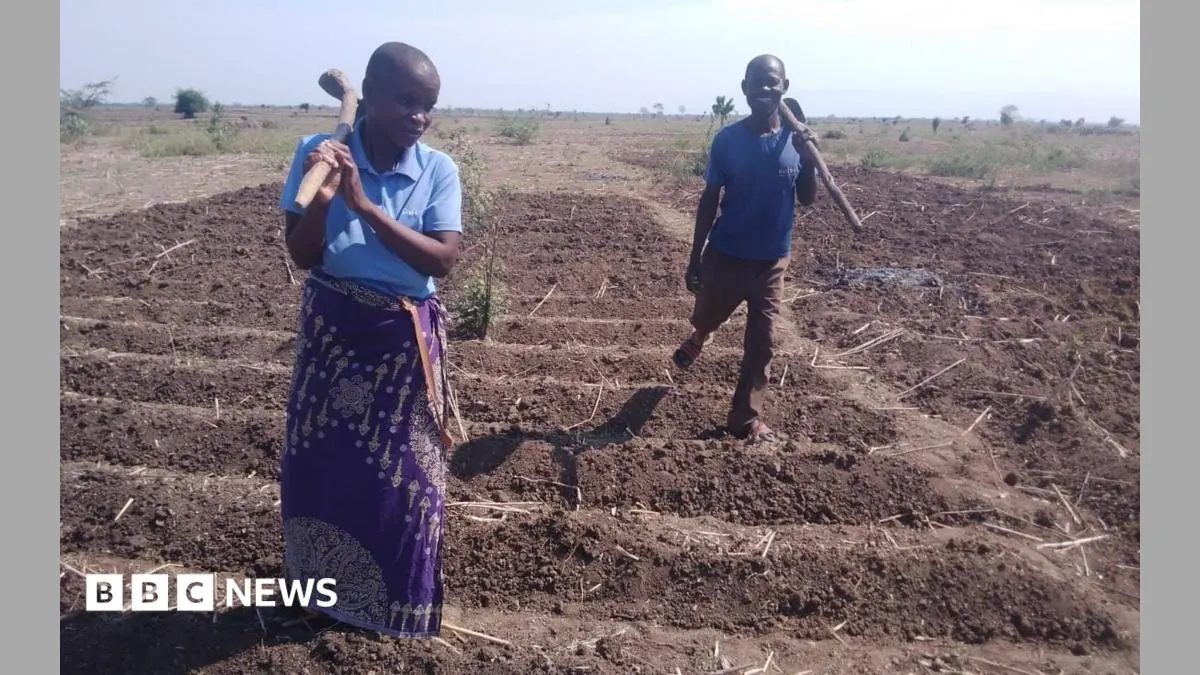
African negotiators at the UN climate summit are calling for adaptation finance to triple by 2035, arguing that countries need more support to prepare for worsening droughts, floods and other climate impacts. The EU says the priority should be making sure existing pledges reach vulnerable countries, rather than setting new funding targets.
Uganda’s Karamoja region has suffered seven months without rain, with officials reporting that more than 90% of crops have failed; farmer Elijah Lobur’s family now eats one meal a day. In Malawi, Mathews Nkhambala lost his home and sorghum harvest in 2024 floods and now fears another failed harvest. Uganda and Malawi are among 23 African countries that have not submitted National Adaptation Plans, which experts say can help demonstrate climate risks and make the case for assistance. African negotiators seek to triple an annual $40bn baseline by 2035, though the commitment’s interpretation is disputed and the proposal was not accepted for formal negotiations.
In short
- African negotiators want adaptation finance tripled by 2035.
- The EU says existing pledges should reach vulnerable countries first.
- Uganda and Malawi lack plans that can help them seek climate support.
Steelman: both sides, in good faith
The strongest fair case each way — we don't pick a winner.
The case for
African negotiators argue that worsening droughts, floods and crop losses make adaptation finance essential to protect lives, livelihoods and food security. Tripling the annual baseline by 2035 could give vulnerable countries more predictable support to plan and prepare, especially where domestic resources are limited.
The case against
The EU argues that delivering existing pledges should come before announcing new targets, so support already promised reaches the countries and communities that need it. Clear adaptation plans can help identify priorities and make the case for assistance, while the disputed baseline and interpretation of the proposed target raise questions about setting a new commitment before its scope is agreed.
Explained simply
Climate adaptation means preparing for the effects of climate change, such as droughts and floods. African countries say they need more funding to protect people, homes and farms from these impacts.
At UN climate summits, countries discuss how climate funding should be raised and shared. African negotiators are seeking a higher adaptation finance target, while the EU says existing funding commitments should reach vulnerable countries; how those commitments are counted is disputed.
National Adaptation Plans set out a country’s climate risks and priorities for preparing. Many African countries have not submitted one, and experts say these plans can help explain what support is needed.
Africa Climate Europe Geopolitics Politics Science World