More than 100,000 North Sea oil and gas jobs set to disappear by 2050
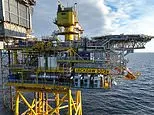
Labour's own departmental figures show that more than 100,000 North Sea oil and gas jobs are expected to disappear by 2050, an 80 per cent decline since the party took office in 2024. The projection matters because it comes as ministers weigh whether to approve new drilling at two Scottish fields, Rosebank and Jackdaw, and as reports suggest the government may instead spend billions importing foreign gas, prompting criticism that the policy undermines UK energy security and livelihoods.
Freedom of Information data from the Department for Energy Security and Net Zero shows total North Sea oil jobs, direct and indirect, falling from 136,675 in 2024 to 115,720 this year, and to just 23,584 by 2050, a loss of 113,091 posts. Over half the workforce is projected to be gone by 2035. Ministers are expected to rule within a month on Rosebank and Jackdaw, with reports suggesting Jackdaw will be approved but not Rosebank; developers say approving both could support 3,500 jobs and generate over £20billion. The Conservatives, who obtained the figures, accused Labour of "economic insanity", while a DESNZ spokesman said oil and gas would remain important "for decades to come" during the transition to clean power.
- Over 100,000 North Sea oil and gas jobs forecast lost by 2050
- Ministers to decide within weeks on Rosebank and Jackdaw drilling
- Tories say Labour's Net Zero policy risks jobs and energy security
New here? Start with this
Rosebank and Jackdaw are two oil and gas fields off the coast of Scotland that have been at the centre of a long-running debate over whether the UK should keep developing new North Sea fossil fuel projects. Ministers are due to decide within weeks whether to approve drilling at both sites, a decision that touches on jobs, energy supply and the UK's climate commitments.
The North Sea oil and gas industry has provided tens of thousands of jobs, both directly on rigs and platforms and indirectly through supply chains and services. As older fields run dry and the UK pushes towards cleaner energy sources, the workforce has been shrinking, and official figures now suggest that decline will continue sharply over the coming decades.
The issue matters because it sits at the crossroads of several competing priorities: protecting jobs and skills built up over decades in Scotland and the wider UK, ensuring reliable and secure energy supplies rather than relying on imports, and meeting targets to cut greenhouse gas emissions. The Department for Energy Security and Net Zero, the Conservative Party and North Sea developers all have a stake in how the government balances these pressures.
Both sides, in good faith
The strongest fair case each way — we don't pick a winner.
The case for
Supporters of accelerating the North Sea's decline argue that the basin is a maturing, naturally depleting resource, and that continuing to lean on fossil fuel extraction delays the investment needed in renewables, grid infrastructure and the clean jobs of the future. They contend that climate commitments require winding down oil and gas production regardless of short-term political discomfort, and that redirecting capital and skilled workers towards offshore wind and other low-carbon industries offers a more sustainable long-term employment base than propping up a declining sector. On this view, honest departmental forecasts are a sign of transparency rather than failure, and the government's task is to manage the transition fairly rather than reverse it.
The case against
Critics argue that losing over 100,000 jobs while simultaneously importing foreign gas is self-defeating, sacrificing UK energy security, tax revenue and skilled livelihoods without a proportionate climate benefit, since demand for oil and gas will persist regardless of where it is extracted. They contend that approving domestic fields such as Rosebank and Jackdaw would sustain thousands of jobs, generate billions in economic value, and reduce reliance on imports with their own carbon and geopolitical costs, making continued extraction a pragmatic bridge rather than a betrayal of climate goals. On this view, ministers owe it to affected workers and communities to weigh the human and strategic cost of rapid decline as heavily as the environmental case for it.