Politics news and discussion on TalkFuse.
More Than 1,300 Drilling Applications Still Pending As Senate Moves To Cut Red Tape
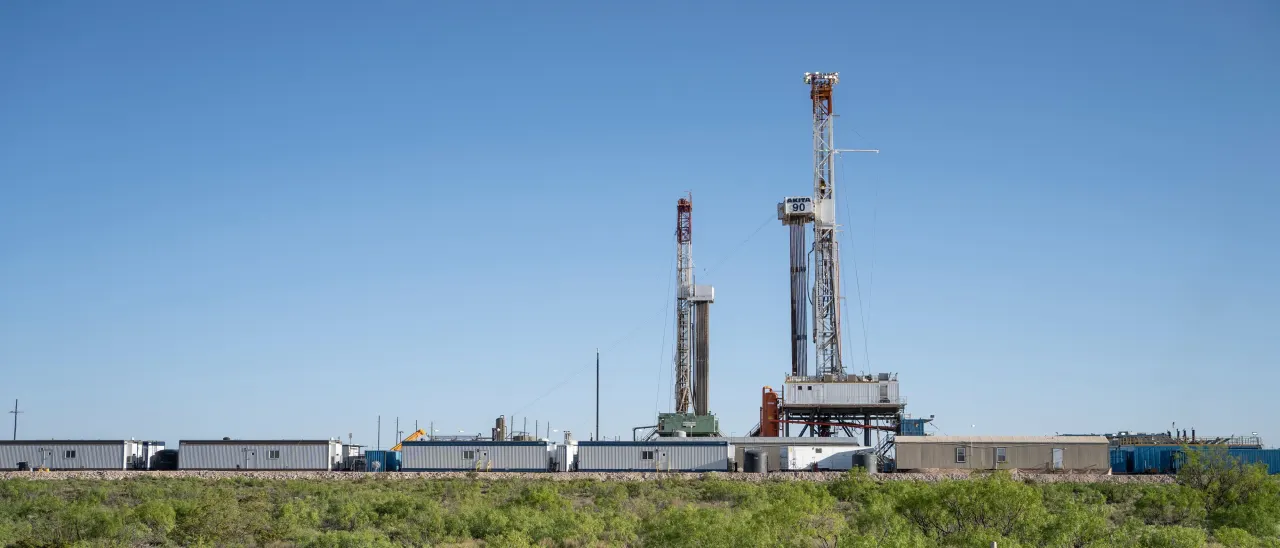
The Bureau of Land Management had 1,381 applications to drill on federal and tribal land pending on 2 November, as the Senate advanced legislation intended to speed up permitting. The backlog has fallen by nearly 40 per cent in a year, but the figures include cases awaiting information or action from operators, as well as applications affected by legal and other external factors.
New Mexico accounted for 922 pending applications and Wyoming for 213. In the 2025 financial year, processing took an average of 283 days: companies accounted for 183 days and the BLM for 100; a further 10,223 approved permits had not yet been drilled. Separately, federal regulators were considering eight LNG export terminal applications with combined proposed capacity of 15.83 billion cubic feet a day, alongside 34 major pending pipeline projects.
In short
- 1,381 drilling applications were pending on 2 November.
- The backlog has dropped nearly 40 per cent in a year.
- New Mexico accounted for about two-thirds of pending applications.
Steelman: both sides, in good faith
The strongest fair case each way — we don't pick a winner.
The case for
Supporters of faster permitting argue that lengthy and uncertain reviews delay investment, jobs and energy production, even as many applications are waiting on companies or outside processes rather than the BLM. They see clearer deadlines and streamlined procedures as a way to make public resources available more efficiently while maintaining appropriate safeguards.
The case against
Critics of speeding permitting argue that thorough review is needed to assess environmental effects, tribal interests and legal concerns, and that deadlines could weaken scrutiny or limit meaningful participation. They also note that the backlog has already fallen substantially and that much of the reported processing time lies with operators, so changing government procedures alone may not resolve the delays.