More than £130million of taxpayers’ money spent on animal crossings – including £12million on unmonitored ‘fish motorway’
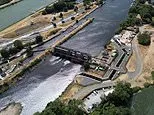
More than £130million of taxpayers' money has reportedly been spent on animal crossings across the UK, according to figures highlighted in this report. Among the schemes singled out is a £12million "fish motorway" structure that has not been monitored to check whether it is actually being used by fish, raising questions about value for money and oversight of such infrastructure spending.
The full breakdown of the remaining costs and other individual crossing schemes was not detailed in the available article text. The headline figures suggest scrutiny over how public funds allocated to wildlife infrastructure projects are tracked and whether their effectiveness is being properly assessed after construction.
- Over £130million spent on animal crossings using taxpayer funds
- £12million "fish motorway" crossing has gone unmonitored
- Raises questions over oversight of wildlife infrastructure spending
New here? Start with this
Taxpayer-funded animal crossings — bridges, tunnels and underpasses built to let wildlife cross roads, railways or waterways safely — have been built across the UK for years as part of infrastructure projects, with the stated aim of protecting species and reducing collisions with vehicles. These schemes are typically funded through public bodies such as National Highways or included as conditions attached to major construction projects like roads and railways.
The report highlights that spending on such crossings has reportedly exceeded £130million, with particular attention on a £12million structure intended to help fish pass safely along a waterway, sometimes referred to as a "fish motorway" or fish pass. The concern raised is that this particular structure has not been monitored to establish whether fish are actually using it, meaning there is no clear evidence of whether the money achieved its intended purpose.
This matters because it touches on wider questions of public spending accountability: how government and infrastructure bodies decide to fund environmental mitigation measures, and whether adequate checks are in place afterwards to confirm they work as intended. It sits within a broader, ongoing debate about balancing infrastructure development with environmental protection, and about value for money in public projects generally.