World news and discussion on TalkFuse.
More than 20% of Nvidia’s revenue was driven by China last year: report
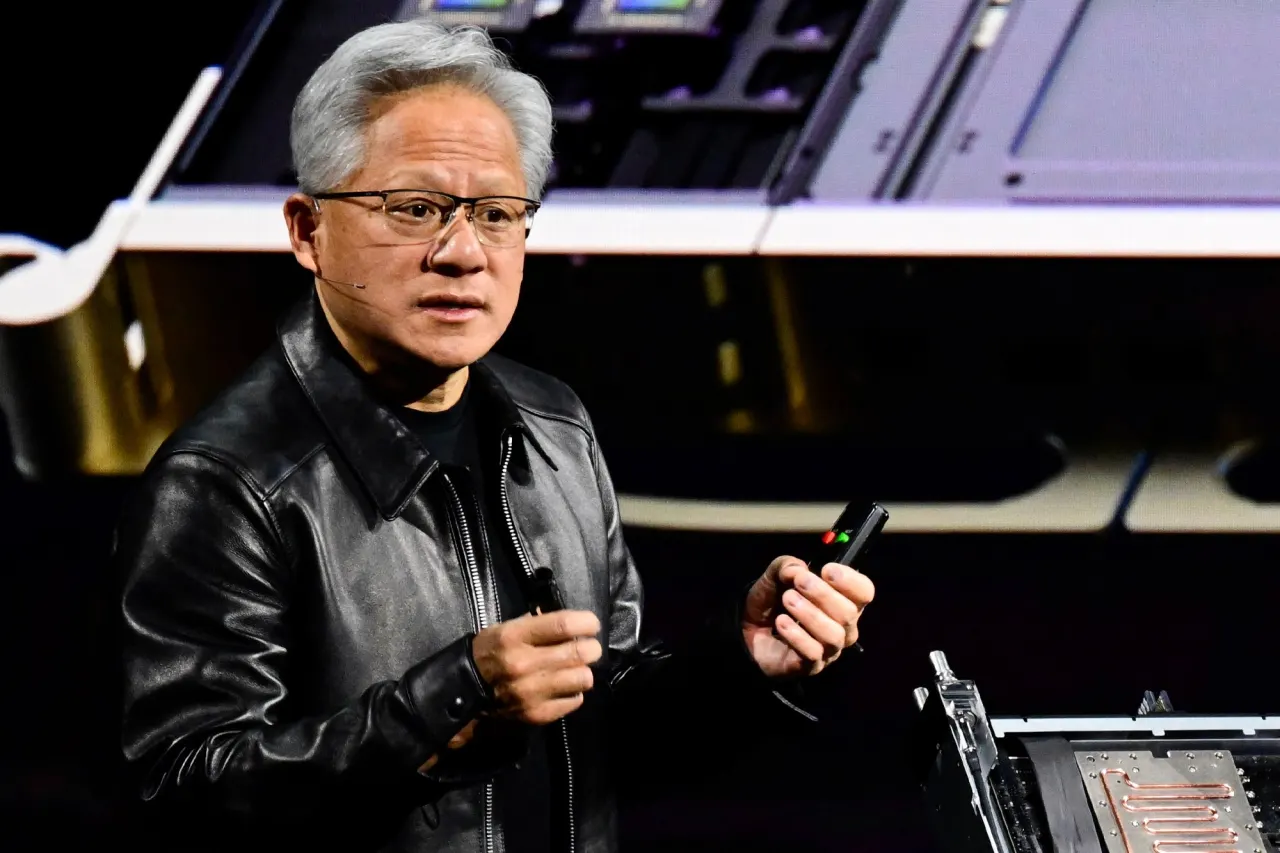
A report says China accounted for more than a fifth of Nvidia’s revenue in the previous fiscal year, as Chinese technology companies accessed its advanced chips through data centres in other countries. The business highlights how firms may have used overseas facilities to get around US restrictions, and has prompted Washington to tighten controls.
Culper Research attributed more than 20% of Nvidia’s revenue to this China-linked ecosystem. The Wall Street Journal reported Nvidia earned $12.4 billion in the six months to 26 July, or 7% of global revenue, and that Megaspeed arranged shipments of nearly $12 billion in Nvidia chips to Chinese companies between March 2024 and June 2025; records do not confirm how many were delivered. A new US rule requires licences for advanced chip transfers to several countries, including Malaysia and Singapore. Nvidia says it works to prevent smuggling, while Megaspeed says it complies with US controls and is investigating its supply chain.
In short
- China-linked business made up more than a fifth of Nvidia’s revenue last fiscal year.
- US authorities are closing a route through overseas data centres.
- Shipment records do not establish how many chips reached Chinese firms.
Steelman: both sides, in good faith
The strongest fair case each way — we don't pick a winner.
The case for
The reported sales suggest US export controls may not be meeting their security aims if Chinese firms can obtain advanced chips through overseas data centres. Supporters of tighter licensing argue that stronger oversight is justified to limit access to technology with potential military uses and to protect the effectiveness of existing restrictions.
The case against
The figures do not establish how many chips reached Chinese companies or prove that Nvidia knowingly enabled prohibited transfers; the estimates also differ in scope and time period. Critics of broader controls can argue that restrictions affecting several countries risk burdening legitimate trade and data-centre services, while clear evidence and targeted enforcement would better balance security with commercial activity.
Explained simply
Nvidia is a US company that designs advanced computer chips used to train and run artificial intelligence systems. China’s technology firms are major potential customers, but US export controls limit their access to some of the most powerful chips.
The restrictions have led to scrutiny of whether chips can reach Chinese customers through data centres in other countries. These facilities house computing equipment and can provide access to its processing power without the customer importing the chips directly.
The US government sets the export rules, while Nvidia and companies involved in supplying or hosting chips must comply with them. The issue matters because advanced chips are commercially valuable and central to AI development, while their sale across borders is also a matter of US trade and security policy.