Surgeons seek Medicare funding for more than 30 gender-affirming procedures
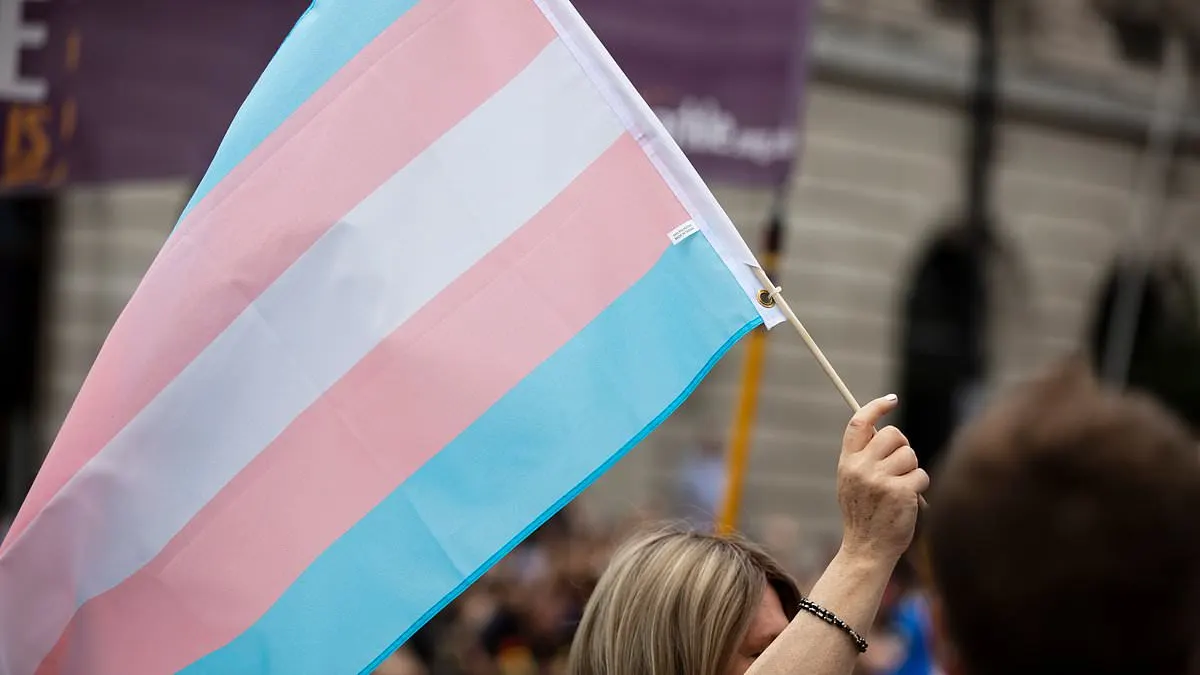
Australia's plastic surgeons have applied to expand Medicare coverage for gender-affirming surgery. The proposal would provide public funding for over 30 types of procedures currently paid for privately, with costs reaching up to $80,000. The Medical Services Advisory Committee (MSAC) is reviewing whether this should become government-funded healthcare.
The procedures include vaginoplasty ($60,000), phalloplasty, breast augmentation, hysterectomy and facial feminisation surgery (up to $80,000). An estimated 47,087 people could access these services in the first year if approved, potentially costing millions of dollars. The MSAC has asked for more comprehensive clinical evidence review, noting that international approaches vary significantly, with many countries requiring psychological assessment and hormone therapy before surgery. The committee is expected to decide later in 2026.
- Australia's plastic surgeons seek Medicare funding for 30+ gender-affirming surgeries.
- Procedures cost up to $80,000; 47,087 people could access them annually.
- MSAC requested more clinical evidence before deciding on public funding.
New here? Start with this
Australia's plastic surgeons have asked the government to fund gender-affirming surgeries through Medicare, the country's public health system. Gender-affirming procedures are operations that help people align their physical appearance with their gender identity. Currently, these surgeries are available only to those who can afford to pay privately.
The surgeons are seeking funding for more than 30 different procedures, with individual costs ranging up to £80,000. The Medical Services Advisory Committee, which advises the government on healthcare funding, is reviewing whether taxpayer money should cover these operations. Officials estimate that around 47,000 people could access these services in the first year if the proposal is approved.
The debate about public funding for gender-affirming surgery is not unique to Australia. Different countries take different approaches, with many requiring patients to undergo psychological assessment and hormone therapy before surgery. The decision will affect both healthcare access and government spending, which is why the advisory committee is carefully reviewing the evidence before making a recommendation.
Both sides, in good faith
The strongest fair case each way — we don't pick a winner.
The case for
Supporters argue that gender-affirming surgery represents established medical treatment for gender dysphoria, with evidence demonstrating improved mental health outcomes and quality of life. Medicare funding would ensure equitable access based on medical need rather than ability to pay, whilst allowing better standardisation and safety oversight of procedures already being performed privately. They emphasise that evidence-based healthcare should not be limited by cost barriers.
The case against
Critics contend that whilst these procedures address a genuine medical need, the substantial costs—potentially millions annually—raise questions about prioritisation within limited healthcare budgets competing with other urgent medical needs. They note that international approaches vary significantly and that the MSAC itself has requested more comprehensive clinical evidence, suggesting the evidence base remains insufficient to justify such extensive public funding at present, with particular concerns about appropriate psychological assessment and readiness protocols.
Read the full article at the source →
Originally published by Daily Mail as “More than 30 types of gender reassignment surgery could be funded by Aussie taxpayers at a cost of up to $80,000 each”.