Culture news and discussion on TalkFuse.
More than a million adults taking statins might not need them, study suggests – but experts urge caution
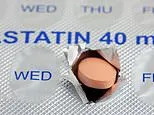
A study suggests that more than one million adults taking statins may not need the cholesterol-lowering drugs, raising questions about how widely they are prescribed for people at relatively low risk of heart disease. However, experts have urged patients not to stop taking statins without medical advice, as the medicines can substantially reduce the risk of heart attacks and strokes for those who need them.
The finding appears to concern whether some people meet current thresholds for preventive treatment rather than whether statins are ineffective. Any decision to start or stop treatment should take account of an individual’s cardiovascular risk, medical history and possible side effects, with changes discussed with a clinician.
In short
- Study questions whether some statin prescriptions are necessary.
- Experts warn against stopping treatment without medical advice.
- Individual heart-risk assessments remain essential.
Steelman: both sides, in good faith
The strongest fair case each way — we don't pick a winner.
The case for
The case for preventive statin prescription rests on clear evidence that they significantly reduce cardiovascular events and mortality. Statins are relatively safe with manageable side effects for most patients at standard doses, making broader preventive prescription ethically justified. From a public health perspective, treating larger populations at lower risk thresholds is mathematically sound, as each prevented heart attack or stroke represents genuine lives saved, justifying treatment of individuals who collectively benefit the population.
The case against
The case against wider prescribing emphasises individual autonomy and avoiding unnecessary medication burden. Prescribing statins to millions at lower risk means many take medicine for years without personal benefit whilst experiencing potential side effects and unnecessary costs. Lifestyle interventions—diet, exercise, weight management—offer cardiovascular and broader health benefits without medication risks. Current thresholds may be too permissive; doctors should be more selective, ensuring patients understand their individual risk before starting lifelong therapy.
Explained simply
Statins are medicines that lower cholesterol, a fatty substance in the blood linked to the build-up of deposits in arteries. Narrowed or blocked arteries can lead to heart attacks and strokes.
Doctors prescribe statins to people who have had heart or circulation problems, and to some people who have not, to reduce their future risk. That decision usually depends on factors such as cholesterol levels, age, blood pressure, medical history and other health conditions.
Guidelines set risk levels to help decide when preventive treatment is appropriate, but a person’s circumstances can differ from those of others at the same risk level. Statins can reduce the chance of heart attacks and strokes for people who are likely to benefit, while some people experience side effects.
Art Culture Research Science World