World news and discussion on TalkFuse.
MORNING GLORY: A mind-reader at the WHCA dinner? The press finally found its perfect act
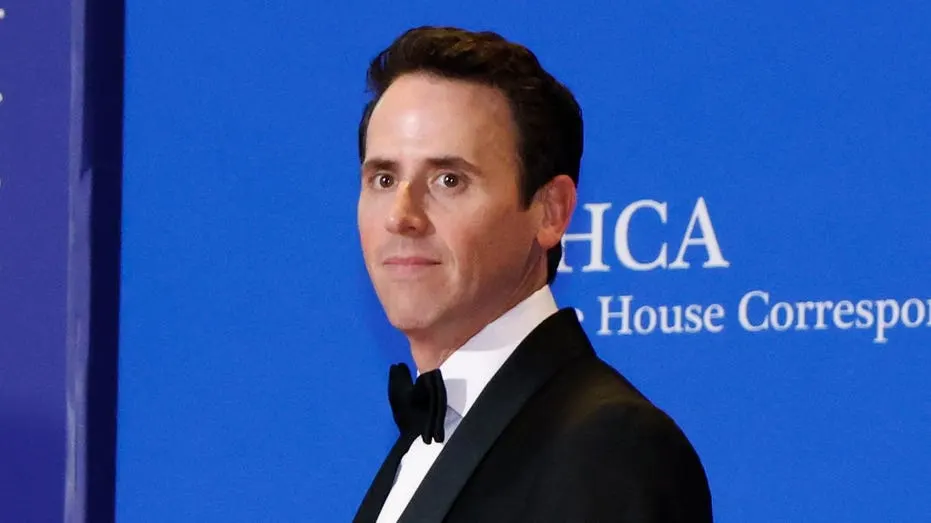
A Fox News opinion piece reflects on the choice of entertainment at this year's White House Correspondents' Association dinner, where mentalist Oz Pearlman performed for the assembled press corps. The author suggests the choice of a "mind-reader" act was fitting, given that mentalism relies on psychology, suggestion, observation and misdirection to create an illusion of reading minds — a skill set the piece wryly links to the media's own methods. The commentary uses the booking as a springboard for broader, satirical observations about the press corps rather than treating it as straight news.
The piece draws a comparison with veteran mentalist "The Amazing Kreskin" (George Joseph Kresge Jr.), who built a long television career built on similar illusions and appeared on "The Tonight Show" with Johnny Carson roughly 80 times during the 1970s. The dinner itself, an annual black-tie event bringing together journalists, politicians and celebrities, was also referenced in related coverage noting that Donald Trump made pointed remarks about the press at the rescheduled gathering.
In short
- Mentalist Oz Pearlman entertained at the WHCA dinner this year.
- Opinion piece likens the act to veteran mentalist "The Amazing Kreskin".
- Trump reportedly made jabs at the press during the rescheduled event.
Steelman: both sides, in good faith
The strongest fair case each way — we don't pick a winner.
The case for
The mentalist comparison highlights something genuine about media operations. Modern journalism necessarily employs framing, narrative construction, and psychological appeal that shape perception significantly. Whether by design or convention, media outlets select which facts to emphasise, which sources to feature, and which angles to pursue—techniques of persuasion that share fundamental similarities with mentalism's psychological mechanisms. The satire usefully reminds audiences that all communication involves deliberate choices about emphasis and presentation, and maintaining scepticism about media influence is healthy and necessary.
The case against
This comparison fundamentally misrepresents how journalism works and what distinguishes it from entertainment. Whilst both involve communication, journalism operates within ethical frameworks requiring verification, accuracy, correction of errors, and professional accountability that are absent from deliberate illusion. The commitment to truth-seeking, even when imperfectly realised, creates structural and professional standards that differentiate journalism from mentalism's deception. Such cynical equivalences themselves undermine the institutional trust necessary for journalism to function as a democratic check on power.
Explained simply
The White House Correspondents' Association dinner is an annual black-tie event bringing together journalists, politicians, celebrities and entertainment figures. It is a notable occasion where the press and political establishment gather, often with entertainment and remarks that reflect the dynamic between the media and those in power.
This year's dinner featured mentalist Oz Pearlman, whose act creates the illusion of reading minds through psychology, observation and misdirection. An opinion piece in Fox News used this booking as a springboard for satirical commentary, comparing the techniques mentalists use to create illusions with the methods journalists use in their reporting.
Mentalism has a long history in American entertainment, exemplified by performers like The Amazing Kreskin, who built a celebrated television career in the 1970s. The choice of this particular entertainment act, and the commentary it prompted, touches on broader questions about the relationship between the press and those they cover, and how news is reported and perceived.