MORNING GLORY: Rogers versus El-Sayed is a referendum on the future of America
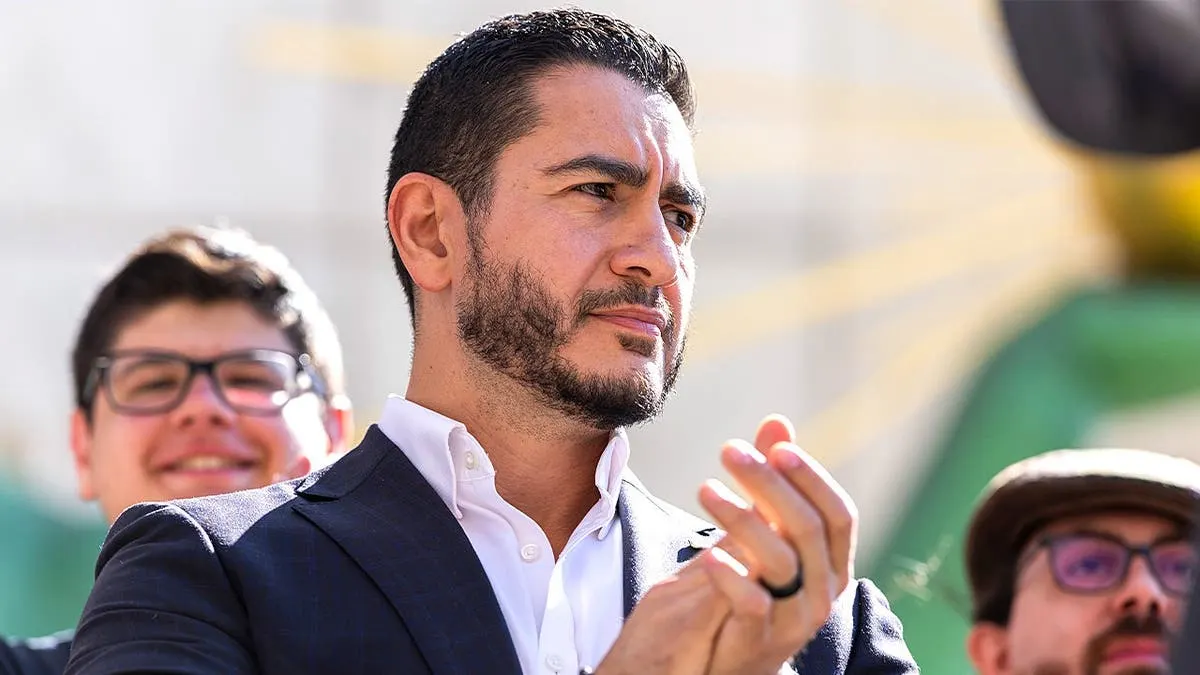
Republican Mike Rogers will face Democrat Abdul El-Sayed in Michigan's 2026 US Senate race, after El-Sayed narrowly won a contested primary against Congresswoman Haley Stevens. The article, an opinion piece, frames the contest as a broader test of political direction in America, pitting an establishment Republican against a candidate the author associates with the party's progressive wing.
El-Sayed won Tuesday's Democratic primary by roughly one percentage point over Stevens, in a three-way field that also included Mallory McMorrow, who had withdrawn but still took about 4% of the vote. Rogers, a former seven-term congressman and past chairman of the House Intelligence Committee, previously lost a 2024 Senate bid to Elissa Slotkin despite winning nearly 2.7 million votes (48.3% of the electorate); the author argues that matching that 2024 turnout would be enough for Rogers to win in 2026.
In short
- Mike Rogers to face Abdul El-Sayed in Michigan's 2026 Senate race
- El-Sayed narrowly beat Haley Stevens in the Democratic primary
- Rogers lost narrowly to Slotkin in 2024 with 48.3% of the vote
Steelman: both sides, in good faith
The strongest fair case each way — we don't pick a winner.
The case for
This race genuinely represents a referendum on America's political direction because Senate elections in competitive states inherently reflect voters' broad preferences about national leadership. The stark ideological contrast between Rogers and El-Sayed—establishment Republican versus progressive Democrat—means the outcome will signal whether voters are choosing to move toward or away from transformative change, making this a meaningful test of the country's political trajectory.
The case against
Framing this as a nationwide referendum overloads a Senate race with symbolic weight it doesn't merit. Senate contests are primarily decided by constituent service, candidate competence, local issues, and personal appeal rather than by grand ideological statements, and El-Sayed's narrow primary victory suggests Michigan Democrats themselves remain divided rather than cohesively supporting a particular national direction.
Explained simply
Michigan is one of the states that elects a US senator, who represents the state in the federal government and serves a six-year term. The contest will be between Republican Mike Rogers, a former congressman, and Democrat Abdul El-Sayed, a doctor and public health researcher.
The two parties contain a range of views, from more established figures to candidates who favour more sweeping changes. El-Sayed is associated with the Democrats’ progressive wing, while Rogers is presented as a more conventional Republican. The race matters because its result will help decide which party holds power in the Senate, where both parties compete to shape national laws and appointments.
Americas Government Politics World