MORNING GLORY: The polls got Michigan badly wrong. Now Democrats may face a bigger reckoning
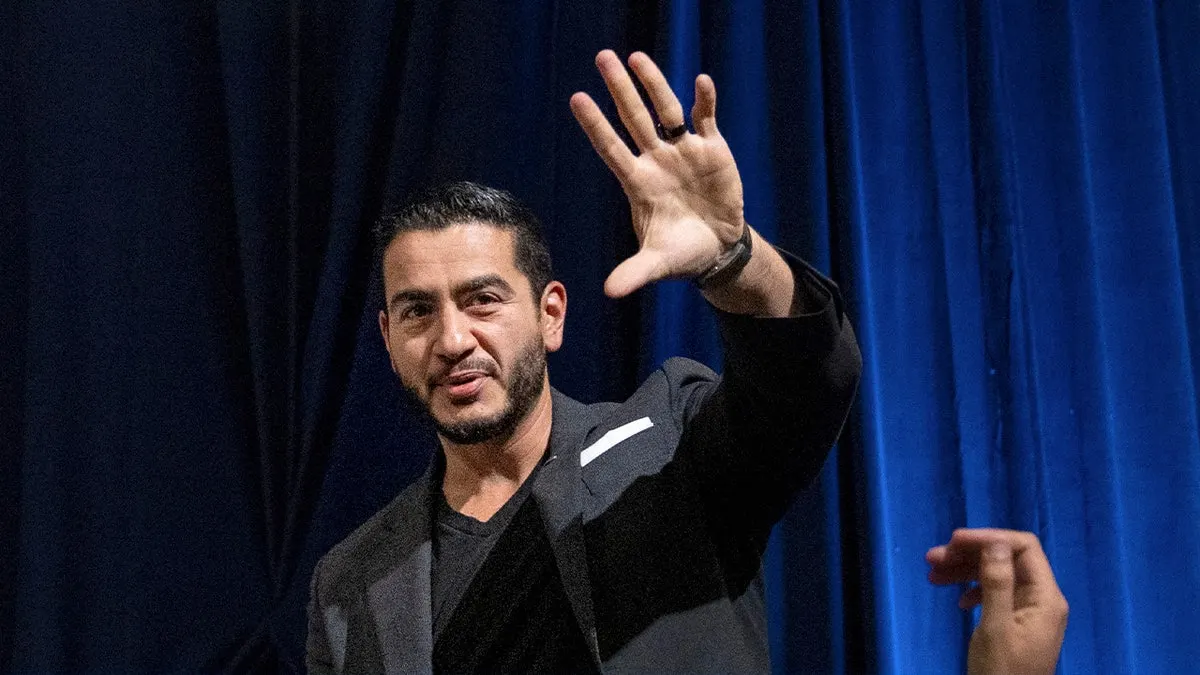
Polling in Michigan’s Democratic Senate primary overstated Abdul El-Sayed’s lead over Haley Stevens: he won by 1%, despite polls predicting a margin of 10 to 18 points. The opinion article argues that polling errors may affect turnout and make the national Senate contest harder to assess, while claiming El-Sayed could face political problems in the general election.
It criticises El-Sayed over his past statements, his stance on Israel and his association with streamer Hasan Piker, and says further scrutiny of his record may emerge before the election. It contrasts him with Republican opponent Mike Rogers, described as a moderate former congressman and FBI agent, and points to possible difficulty winning support among Black voters in Michigan. The supplied article text ends mid-sentence.
- El-Sayed won Michigan’s primary by just one point.
- Polls had forecast a 10 to 18-point victory.
- The article argues his general-election prospects may be vulnerable.
New here? Start with this
Michigan is a politically competitive state in the American Midwest, and its Senate seat is up for election. Before the general election, Democrats chose their candidate in a primary, a vote among people seeking the party’s nomination. Abdul El-Sayed narrowly defeated Haley Stevens, although polls had suggested he would win by a much wider margin.
El-Sayed will face Republican Mike Rogers, a former congressman and FBI agent. The result matters because control of the US Senate can affect which laws pass and how the federal government operates. The polling gap has also raised questions about how reliably surveys can measure support and turnout in the wider contest.
Both sides, in good faith
The strongest fair case each way — we don't pick a winner.
The case for
A narrow primary result after polls predicted a much larger El-Sayed lead raises fair questions about how reliably surveys capture voter preferences and turnout, and whether Democrats are underestimating the general-election challenge. His critics can argue that his public statements, positions on Israel and political associations may make it harder to build a broad coalition, particularly among voters whose support Democrats need in Michigan.
The case against
A one-point primary win does not by itself show that polling failed in a way that predicts the general election, and polls are estimates rather than guarantees. El-Sayed’s supporters can argue that voters chose him despite heavy scrutiny, that policy disagreements and associations should be judged in context, and that claims about his appeal to Black voters or Mike Rogers’s strength need evidence beyond an opinion article.