Culture news and discussion on TalkFuse.
Moscow bombing exposes potential security gaps around Putin’s military elite, expert says
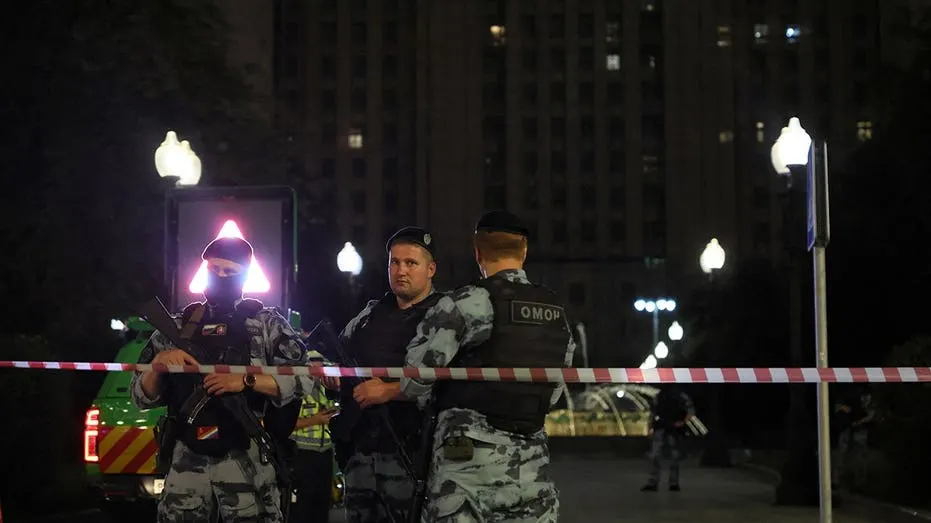
An analyst has suggested that Vladimir Putin's efforts to project a sense of normalcy in wartime Moscow may have inadvertently created security vulnerabilities, potentially giving Ukraine and other adversaries greater opportunities to target senior Russian military figures. This assessment follows a deadly explosion at an upscale Moscow restaurant, raising questions about the safety of Russia's military elite even within the capital.
The blast occurred on 1 August at a restaurant in central Moscow, where a senior Russian general was reportedly attending a private event at the time. The explosion killed three people and injured more than a dozen others, with local officials describing it as a "brutal terrorist act." The incident has prompted scrutiny of security arrangements around Russian military officials as the war in Ukraine continues.
In short
- Explosion at Moscow restaurant kills three, injures over a dozen
- Senior Russian general reportedly present at the venue
- Analyst says Putin's push for normalcy may have weakened security
Steelman: both sides, in good faith
The strongest fair case each way — we don't pick a winner.
The case for
The analyst identifies a genuine security trade-off inherent to maintaining civilian normalcy during wartime. When restaurants remain open, public spaces accessible, and ordinary life continues in a capital, it becomes extremely difficult to protect all potential targets, particularly high-value military figures. Sophisticated adversaries like Ukraine can more readily identify opportunities, scout venues, and execute attacks against such gatherings. The bombing demonstrates these vulnerabilities are not theoretical but manifest.
The case against
Russia can maintain targeted, layered security for senior officials without requiring wholesale shutdown of civilian life. A single incident does not establish that normalcy inevitably creates unmanageable vulnerabilities—proper intelligence, vetting of venues, and protective measures can address risk. Moreover, imposing draconian security measures or closing civilian infrastructure would undermine Putin's strategic imperative to demonstrate stability and resilience to the population and the world, incurring substantial economic and political costs.
Explained simply
Russia’s full-scale war against Ukraine has continued to shape life in Moscow, where the authorities have also sought to maintain a sense of normality. Senior military officers are among the people directing Russia’s armed forces, making their security a matter of public attention.
Vladimir Putin is Russia’s president and commander-in-chief. Ukraine is fighting Russian forces, while both countries accuse the other of attacks; the circumstances and responsibility for this explosion remain important to establish.
An attack in the capital can raise questions about how well protected senior officials are, as well as how the war affects security far from the front line. The incident also matters because Russian officials have described it as terrorism, a claim that depends on evidence about who was responsible and why.