World news and discussion on TalkFuse.
Mossad Chief Reportedly Pushed US To Attack Iran Despite His Own Analysts’ Objections
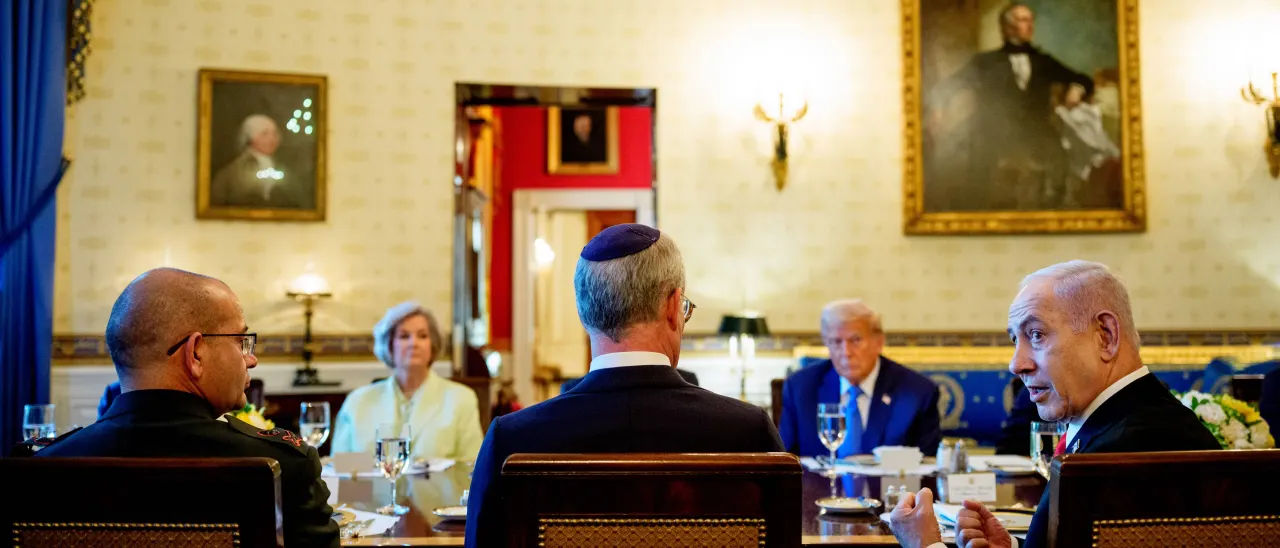
Mossad director Roman Gofman reportedly urged US officials to join renewed military action against Iran, even though agency researchers had assessed that Iran did not pose a threat requiring an immediate attack. The account raises questions about how intelligence was presented to Washington as Israel’s government continued pressing for strikes despite diplomatic efforts.
Gofman reportedly travelled to Washington in November and met senior Trump administration officials, including CIA director John Ratcliffe, sharing Israeli intelligence on Iran’s nuclear programme. The article says the war began on 28 February and cites at least 23 US service members killed and 865 wounded, with the conflict costing US taxpayers an estimated $48.3 billion by 13 November. The Mossad, CIA and Israeli Embassy had not immediately commented.
In short
- Mossad analysts reportedly saw no case for an immediate attack.
- Gofman urged US officials to support renewed military operations.
- The war had cost the US an estimated $48.3 billion by 13 November.
Steelman: both sides, in good faith
The strongest fair case each way — we don't pick a winner.
The case for
Those defending Gofman’s reported advocacy could argue that Israeli leaders faced a serious security risk from Iran’s nuclear programme and had a duty to warn Washington and press for action if they judged the danger could grow. Intelligence assessments are rarely uniform, and senior officials may reasonably weigh the possibility of future harm differently from analysts assessing whether an immediate attack is necessary; sharing intelligence and making the case for strikes can be part of that responsibility.
The case against
Critics could argue that urging a US attack despite analysts’ assessment that Iran did not pose an immediate threat risks presenting disputed intelligence as a stronger case for war than the evidence supports. Given the reported deaths, injuries and substantial public cost, they would say decisions about military action require candid disclosure of uncertainty, serious consideration of diplomatic options and close scrutiny of whether advocacy blurred the line between intelligence and policy.
Explained simply
Mossad is Israel’s foreign intelligence service, which gathers information about other countries. Its director, Roman Gofman, leads the agency, while the CIA performs a similar role for the United States. Intelligence assessments are used by governments to judge risks and inform decisions, including whether to use military force.
Iran’s nuclear programme is a long-running source of tension between Iran, Israel and the United States. Israel has argued that Iran’s nuclear activities threaten its security, while diplomacy has also been pursued to address concerns. How intelligence is assessed and shared can shape decisions about conflict and negotiations between governments.
Americas Government Middle East Politics World