Science news and discussion on TalkFuse.
Most of our measures of a key cognitive process don’t agree
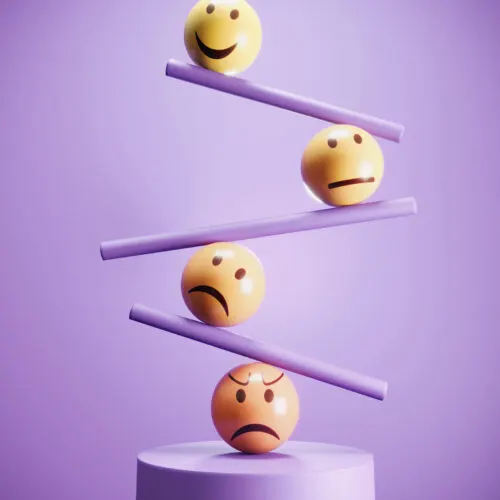
An international study published in Nature found that three common ways of measuring cognitive reappraisal do not reliably agree. This matters because reappraisal, the practice of reframing situations to lessen their emotional impact, is central to cognitive behavioural therapy and is linked to emotional resilience.
Researchers compared questionnaire scores, emotional ratings after reappraisal tasks, and amygdala activity measured using 40 functional MRI datasets. The brain effect was small: detecting it with 80 per cent statistical power would require a single study of 1,105 participants. Individual differences across the three measures showed almost no correlation, leading the researchers to call for a reassessment of how reappraisal capacity is measured and interpreted.
In short
- Three common measures of cognitive reappraisal barely agree.
- Reappraisal is a key concept in cognitive behavioural therapy.
- A small brain effect would require a study of 1,105 people.
Explained simply
Cognitive reappraisal is the process of changing how you interpret a situation so it feels less upsetting. It is used in cognitive behavioural therapy, which helps people examine and change patterns of thought, and is studied as one way people manage emotions.
Researchers assess reappraisal in different ways, including asking people about their habits, measuring how they rate their feelings during a task, and using brain scans to track activity in the amygdala, a region involved in processing emotion. These methods aim to capture the same ability, but each looks at a different part of it.
How well the measures match matters for research and for understanding emotional resilience. If they capture different things, scores from one method may not tell researchers or clinicians what another method would show.