Culture news and discussion on TalkFuse.
Most of sun to be eclipsed across island of Ireland
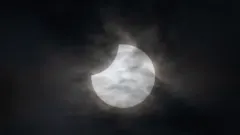
A deep partial solar eclipse will be visible across the island of Ireland on Wednesday evening, obscuring more than 90% of the sun and marking the largest such event seen from the island until September 2090. It will be followed hours later by the peak of the Perseid meteor shower, with astronomers describing the coincidence of both events, alongside a lunar eclipse due in two weeks, as making August an exceptional month for skywatching.
The eclipse begins at around 18:10 BST, with coverage varying by location: 93.05% in Belfast, 93.77% in Londonderry, 96.43% in Cork, and up to 98.01% at Skellig Michael off the Kerry coast. Those travelling to Spain will see a total eclipse, the first visible from western Europe since 1999. Experts warn that viewers must never look directly at the sun, even during the partial eclipse, and should use certified eclipse glasses or projection methods such as a pinhole viewer, while the Perseid shower, produced by debris from comet Swift-Tuttle, should benefit from dark, moonless skies later that night.
In short
- Deep partial solar eclipse hits Ireland on Wednesday, over 90% coverage
- Best until 2090; total eclipse visible in Spain
- Perseid meteor shower peaks hours later under a new moon
Explained simply
A solar eclipse happens when the moon passes between Earth and the sun, blocking some or all of the sun from view. In a partial eclipse, the moon covers only part of the sun; how much is hidden depends on where you are.
The Perseids are an annual meteor shower, caused by Earth passing through debris left by comet Swift-Tuttle. Meteors are small pieces of material that heat up and glow as they enter Earth’s atmosphere.
Watching an eclipse requires special care: even when much of the sun is hidden, looking directly at it can damage your eyes. Certified eclipse glasses or a safe projection method can show the event without direct viewing.
Art Culture Geopolitics Politics Science