Politics news and discussion on TalkFuse.
Most voters do not recognise the UK’s longest serving party leader
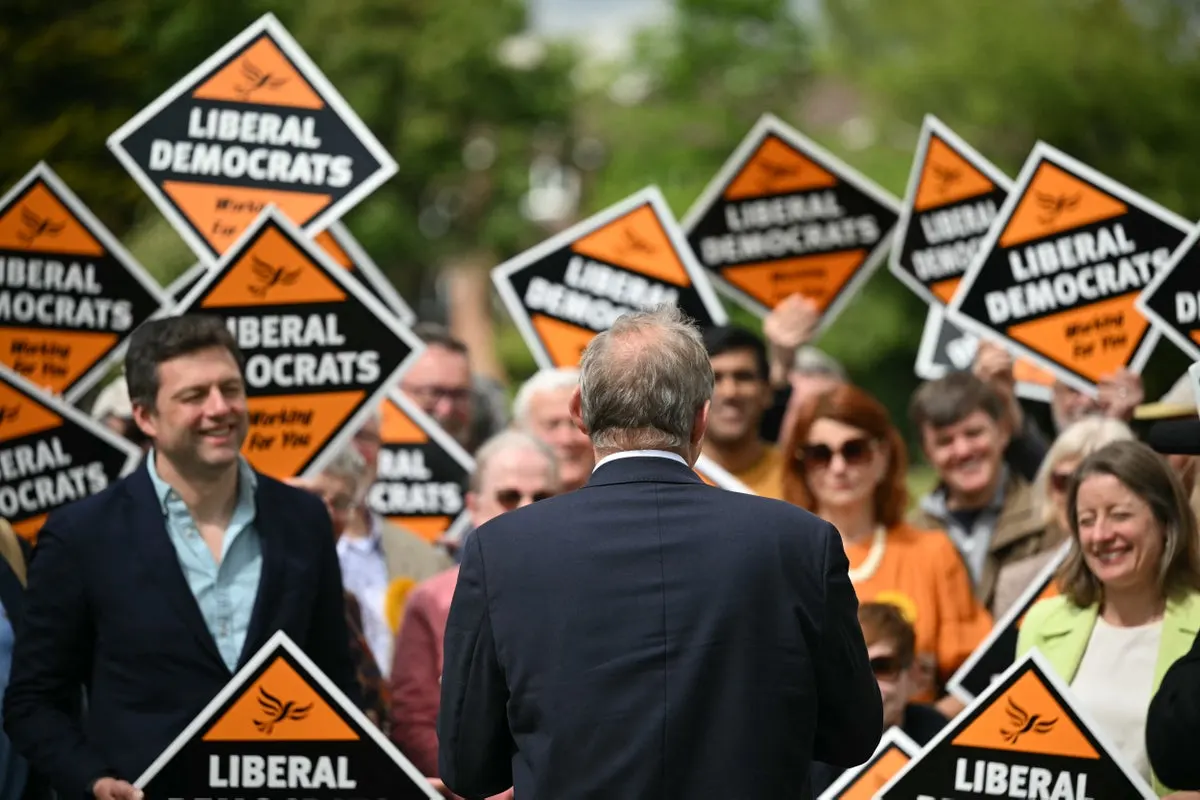
A YouGov survey found that only 37 per cent of voters recognised Liberal Democrat leader Sir Ed Davey in a photograph, despite his having led the party since 2020. The result adds to questions about the party’s public profile and progress since its record 72 seats at the 2024 general election.
Among people who voted Liberal Democrat in 2024, 49 per cent recognised Davey. Nigel Farage was identified by 89 per cent, Prime Minister Andy Burnham by 83 per cent, and Conservative leader Kemi Badenoch by about two thirds; Green leader Zack Polanski was recognised by 46 per cent, rising to 64 per cent among 18 to 24-year-olds. The Lib Dems were polling at 12 per cent, around their 2024 vote share, while internal leadership tensions have not led to a confidence ballot.
In short
- Only 37 per cent recognised Ed Davey.
- Recognition was 49 per cent among 2024 Lib Dem voters.
- The party was polling at 12 per cent.
Steelman: both sides, in good faith
The strongest fair case each way — we don't pick a winner.
The case for
Low recognition of Ed Davey may point to a weakness in the Liberal Democrats’ public profile, limiting his ability to attract attention beyond existing supporters and build on the party’s 2024 gains. The contrast with better-known party leaders suggests that continued visibility could matter if the party hopes to grow its support.
The case against
Recognition is only one measure of political effectiveness: a leader can be less familiar to the public while still representing their party well and helping it retain support. Davey’s 49 per cent recognition among 2024 Liberal Democrat voters, the party’s polling around its election vote share and its substantial parliamentary presence offer other ways to assess his position.
Explained simply
The Liberal Democrats are one of the UK’s main political parties, alongside Labour and the Conservatives. They won 72 seats in the 2024 general election, their largest number in the modern party’s history, and Sir Ed Davey has led them since 2020.
Party leaders help set their party’s direction and represent it in public, while voters elect local MPs to Parliament. A party’s public profile can affect how well voters know its leader and what the party stands for.
The Liberal Democrats’ support in opinion polls is one measure of their standing, though polls are estimates rather than election results. Their profile and internal leadership questions matter as the party seeks to maintain support and influence in Parliament.