World news and discussion on TalkFuse.
Most voters say enthusiasm to cast midterm ballots higher than previous elections: Survey
Developed over time first seen 2 weeks ago
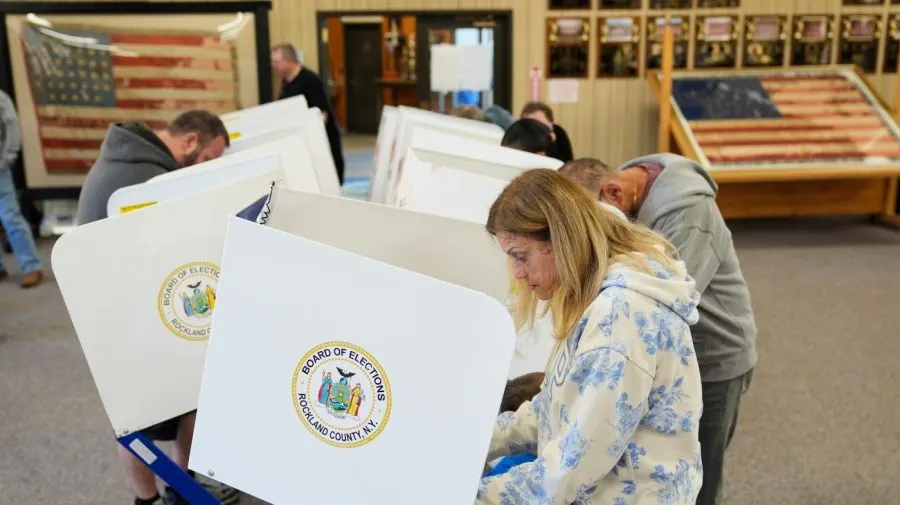
A Gallup survey published on 29 October found that 56% of registered US voters felt more enthusiastic than usual about voting in the 2026 midterm elections. Thirty per cent felt less enthusiastic and 11% felt about as enthusiastic as usual. Gallup has recorded a higher figure in only one other midterm year: 2018, when 69% of registered voters said they were more enthusiastic. Its latest poll, conducted from 1 to 19 October among 1,057 registered voters, had a margin of sampling error of four percentage points.
The survey found a partisan gap: 58% of Democrats and Democratic-leaning independents reported greater enthusiasm, compared with 48% of Republicans and Republican-leaning independents. It also found unusually high attention to the election, with 56% of US adults saying they had given it quite a lot of thought. These findings describe voters’ reported attitudes before polling day; they do not establish how many people ultimately voted or which party benefited.
- Sources
- 2
- Outlets
- 2
- Left · Centre · Right
- 0 · 1 · 0
In short
- 56% of registered voters said they were more enthusiastic than usual about voting.
- Democrats and Democratic-leaning voters reported more enthusiasm than their Republican counterparts.
- Only the 2018 midterms recorded higher enthusiasm in Gallup’s comparable polling.
How this story developed
- 2 weeks ago A Gallup survey published on 29 October found that 56% of registered US voters felt more enthusiastic than usual about voting in the 2026 midterm elections. Thirty per cent felt less enthusiastic and 11% felt about as enthusiastic as usual.
Explained simply
US midterm elections take place halfway through a president’s four-year term. Voters choose all 435 members of the House of Representatives and about a third of the Senate, as well as state and local officials in many places.
The House and Senate pass federal laws and oversee the government, so their party balance can affect what the president can achieve. Midterms are often seen as a measure of public feeling about the president and the governing party, though local candidates and issues also matter.
The main parties are the Democrats and Republicans, and many voters identify with or lean towards one of them. Survey responses about enthusiasm and attention reflect what people say before election day; they cannot show how many will vote or which party will gain seats.
Coverage · 2 sources
Americas Elections Politics World