‘Mother’ Director Teona Mitevska Preps Sequel to Feminist Satirical Drama ‘God Exists, Her Name Is Petrunya’ (EXCLUSIVE)
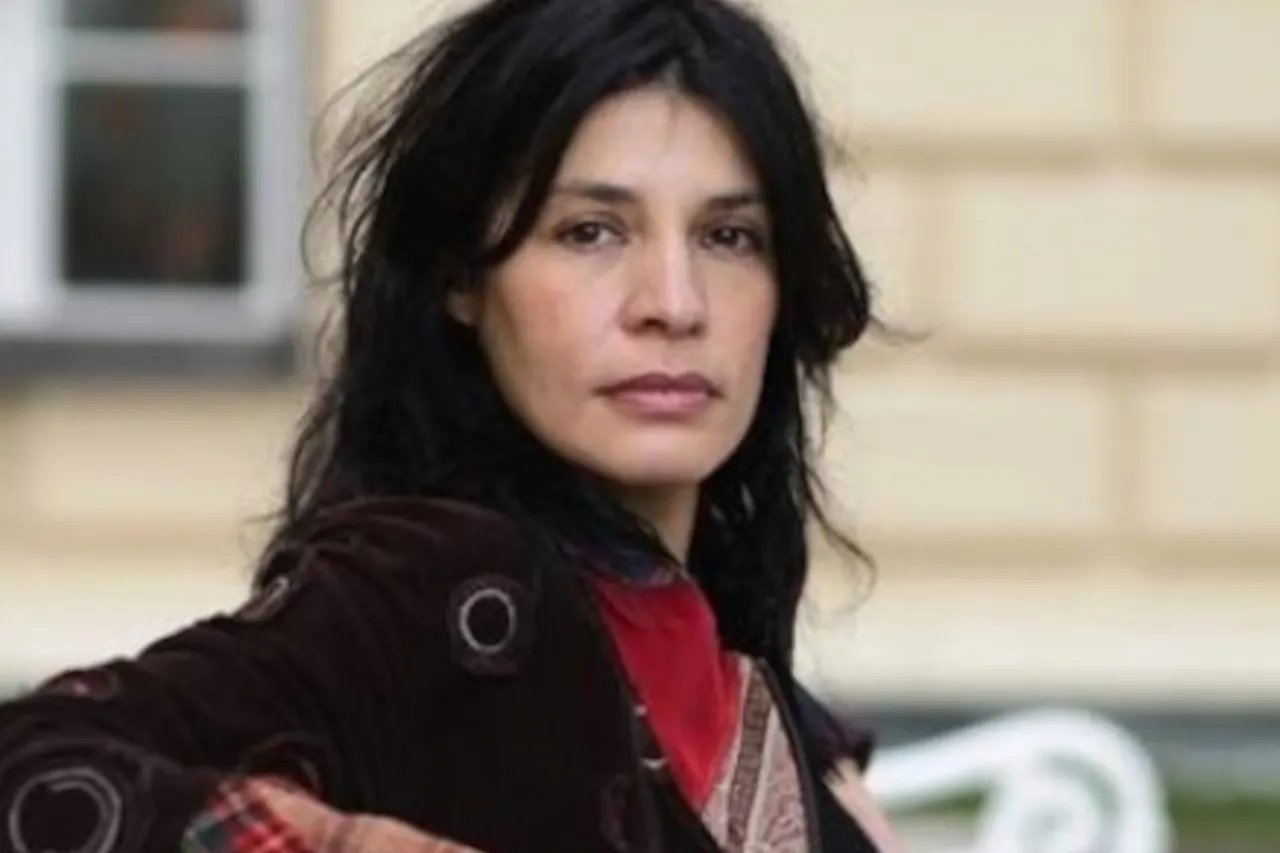
North Macedonian director Teona Mitevska, best known for "Mother" and the Berlinale-winning "God Exists, Her Name Is Petrunya," has revealed she is developing a sequel to the 2019 feminist satirical drama. The announcement, made exclusively to Variety at the Sarajevo Film Festival, signals a return to the themes of patriarchy and female defiance that defined the original, this time filtered through a younger generation's experience of mental health struggles, social media and economic precarity.
The new film, titled "Petra Doesn't Want to Die (Anatomy of Masculinity)" and co-written with Elma Tataragić, follows a rebellious Belgian teenager who, despite battling anorexia, bipolar disorder, OCD and trichotillomania, travels to North Macedonia determined to end her life. There she meets Nenad, a millennial incel in the town of Makedonska Kamenica, who agrees to help her. Mitevska described the project as "a continuation, a reinterpretation, or a counterpoint" to "God Exists, Her Name Is Petrunya," which won the Ecumenical Jury Prize at Berlin in 2019, and said it was inspired by asking "where are the Petrunyas of today?" amid rising youth suicide rates and the pressures of algorithm-driven social media.
- Teona Mitevska announces sequel to "God Exists, Her Name Is Petrunya"
- New film "Petra Doesn't Want to Die" tackles youth mental health and incel culture
- Announced exclusively at the Sarajevo Film Festival
New here? Start with this
Teona Mitevska is a North Macedonian film director whose 2019 film God Exists, Her Name Is Petrunya won a prize at the Berlin International Film Festival. It follows a woman challenging male control of a religious ritual, and uses satire to explore women’s place in society.
Mitevska’s planned follow-up is written with Elma Tataragić and centres on a Belgian teenager who travels to North Macedonia while struggling with several mental health conditions. The story brings her into contact with Nenad, a young man who describes himself as an incel, a term for someone who says they are involuntarily celibate.
The film’s themes include patriarchy, mental health, social media and economic insecurity among young people. Its connection to the earlier story is framed as a way to explore how women’s resistance and social pressures may look to a younger generation.