Motion Picture Association Strikes Deal with ByteDance for IP Protections in AI Video, Image Models
Developed over time first seen 2 months ago
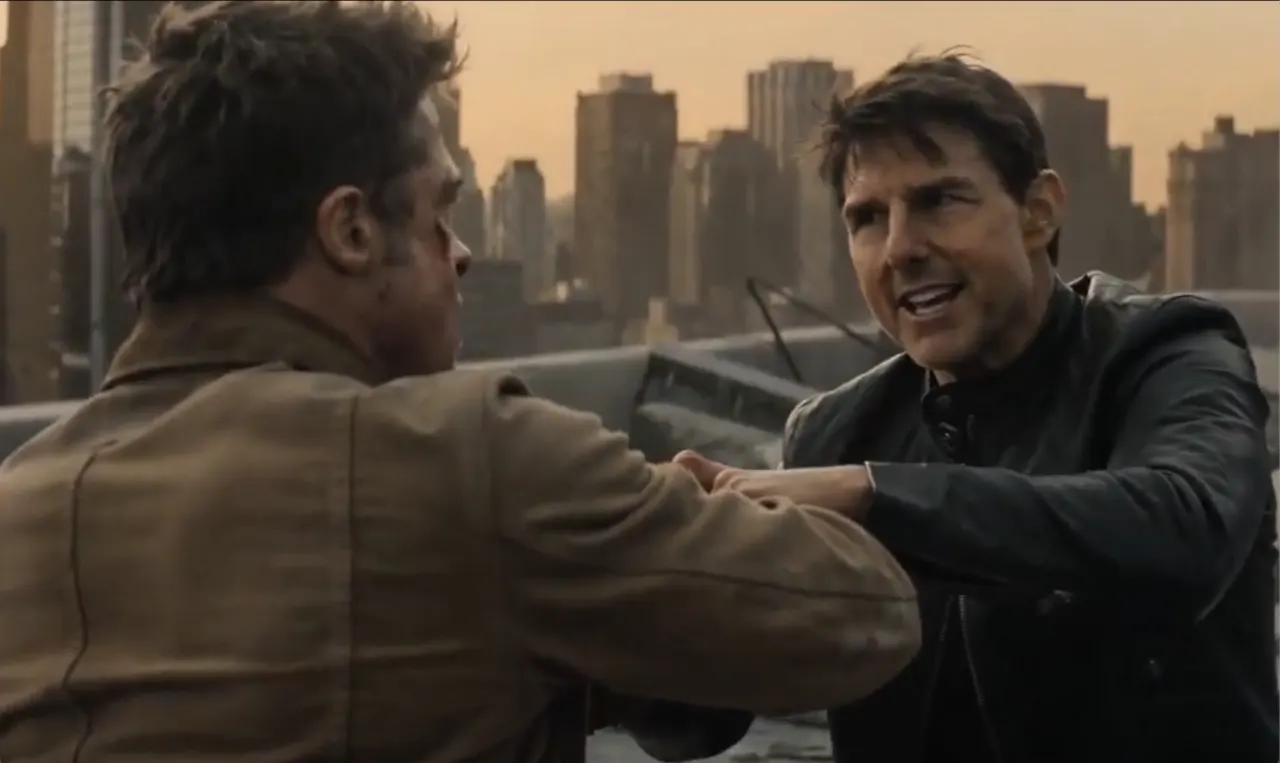
The Motion Picture Association (MPA) and ByteDance have signed a memorandum of understanding to protect film and television intellectual property across ByteDance's AI generative tools, including the video and image generators Seedance and Seedream. The agreement marks a significant shift from confrontation to cooperation, coming months after the MPA sent ByteDance a cease-and-desist letter and publicly accused the company of disregarding copyright law on "a massive scale."
The dispute began in February after ByteDance released Seedance 2.0, which allowed users to generate AI content featuring actors such as Brad Pitt and Tom Cruise without authorisation. Since then, the two sides held talks that led to updated safeguards being built into Seedance 2.5 and Seedream 5.0 Pro, released last month across ByteDance's apps including TikTok, CapCut and Dreamina. MPA chief Charles Rivkin and ByteDance general counsel John Rogovin both framed the MOU as a foundation for further collaboration, reflecting Hollywood's wider effort to secure IP guardrails from AI firms, having previously clashed with OpenAI over its Sora video model.
- Sources
- 2
- Outlets
- 2
- Left · Centre · Right
- 0 · 0 · 0
In short
- MPA and ByteDance agree IP protection framework for AI video/image tools
- Deal follows MPA's February cease-and-desist over Seedance 2.0
- New safeguards already reflected in Seedance 2.5 and Seedream 5.0 Pro
How this story developed
- 2 months ago The Motion Picture Association (MPA) and ByteDance have signed a memorandum of understanding to protect film and television intellectual property across ByteDance's AI generative tools, including the video and image generators Seedance and Seedream.
Steelman: both sides, in good faith
The strongest fair case each way — we don't pick a winner.
The case for
Advocates of this kind of agreement, including studios, rights holders and performers' representatives, argue that generative tools able to conjure a named actor's face and voice on demand pose a genuine threat to consent, livelihood and brand integrity, and that Seedance 2.0's unauthorised use of figures such as Brad Pitt and Tom Cruise showed the risk was not hypothetical. From this vantage, negotiated safeguards built directly into the software are a faster, more practical route to protection than waiting years for legislation or litigation, and cooperation signals that a major platform is willing to take copyright and likeness rights seriously rather than treat infringement as an acceptable cost of growth. Extending this model industry-wide, they would argue, offers creators a measure of control over how their work and image are used in an era of rapidly advancing AI.
The case against
Sceptics of relying on this kind of memorandum, including some technologists, digital rights advocates and even performers' unions pushing for stronger guarantees, would note that a voluntary, non-binding MOU carries no independent enforcement mechanism, no disclosed compensation structure for artists whose likenesses were already used without permission, and can be altered or abandoned unilaterally by either party. They would also raise a broader concern that agreements struck privately between a handful of major studios and a dominant platform risk entrenching the interests of large incumbents on both sides, potentially setting restrictive norms around parody, commentary and transformative use that go beyond what copyright law actually requires, while leaving smaller creators and independent AI developers with less say in shaping the rules.
Explained simply
Ever since generative AI tools began letting users create realistic video and images of real people, Hollywood studios have been on alert about their films, shows and stars being used without permission. The Motion Picture Association (MPA) is the industry body that represents major studios such as Disney, Warner Bros and Universal, lobbying on issues including copyright protection. ByteDance, the Chinese technology company behind TikTok, has built its own AI tools, including video and image generators called Seedance and Seedream, which are used across its apps.
Tensions between the two came to a head earlier this year when ByteDance's Seedance 2.0 tool let users generate AI videos and images featuring well-known actors without their consent, prompting the MPA to send a formal legal warning and accuse the company of widespread copyright infringement. This reflects a broader standoff between Hollywood and AI developers, who need vast amounts of film, television and other copyrighted material to train and run their systems, while studios want firm guarantees that their content and actors' likenesses will not be used without permission or payment.
The MPA has raised similar concerns with other AI companies, including OpenAI over its Sora video tool, making this part of a wider pattern of negotiations between the entertainment industry and AI firms over how copyrighted material and celebrity likenesses can be used. The outcome of these talks is likely to shape the rules under which AI video and image generators operate more broadly, affecting both the tech companies developing them and the creative industries whose work they draw on.
Coverage · 2 sources
AI Entertainment Film Technology TV