UK motorists have spent £10bn more on fuel since Iran war began
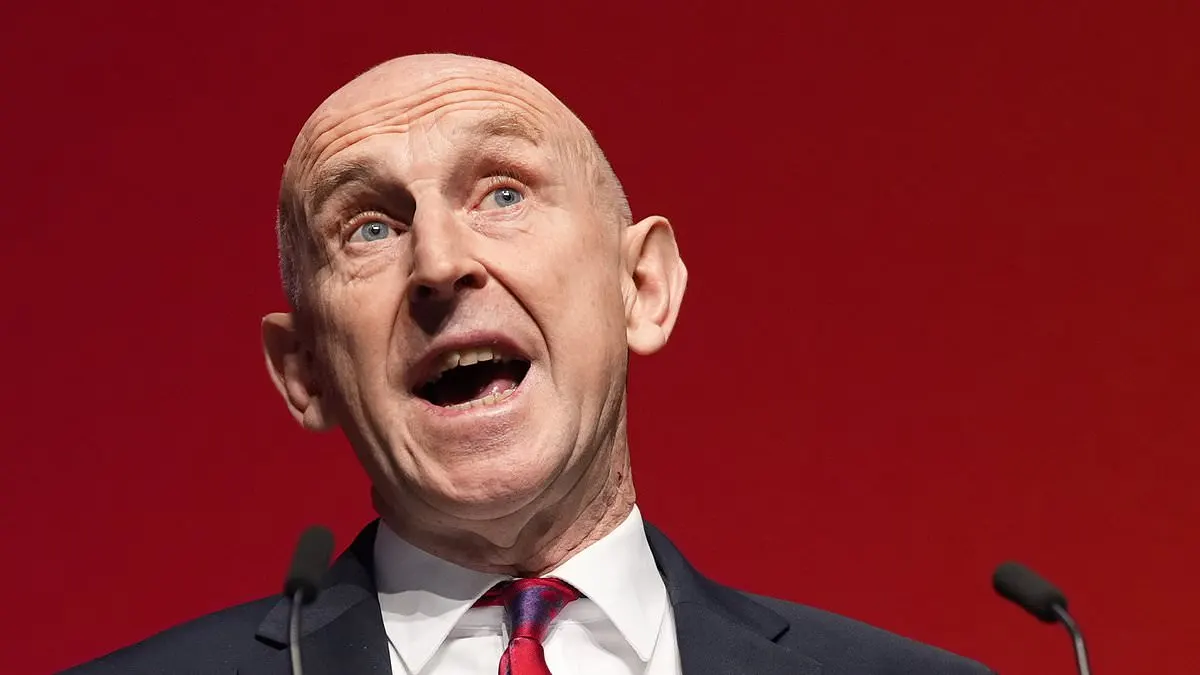
Research by the RAC Foundation estimates UK motorists have paid an extra £10 billion for fuel since the Iran war began on 28 February, adding pressure on Chancellor John Healey to reconsider planned Fuel Duty rises. Higher prices have also increased VAT receipts by nearly £1.7 billion, while the prospect of further rises has renewed calls for relief to help households and limit inflation.
The study estimates drivers have paid an additional £42 million a day over eight months, including more than £3 billion for petrol and £7 billion for diesel. On Friday, diesel averaged about £2 a litre and petrol just under 174p, compared with 142.38p and 132.83p before the war; filling an average family car now costs £23 more for petrol or £31 more for diesel. Planned duty and VAT increases could add 7.2p a litre, nearly £4 to a typical family-car fill-up.
In short
- Drivers have paid an estimated £10 billion extra for fuel.
- Higher pump prices have generated nearly £1.7 billion more in VAT.
- Calls are growing to delay planned Fuel Duty increases.
Steelman: both sides, in good faith
The strongest fair case each way — we don't pick a winner.
The case for
The extra fuel costs are squeezing households and businesses, and further tax rises could add to inflation and make essential travel less affordable. Supporters of delaying or reducing Fuel Duty argue that some of the increased VAT revenue could fund temporary relief, easing pressure while prices remain unusually high.
The case against
Fuel Duty raises revenue for public services and transport investment, while broad tax relief would also benefit higher-consuming drivers and reduce funds available for other priorities. Those favouring the planned rises may argue that tax policy should not be reshaped around volatile fuel prices, and that targeted help for households most in need would be fairer than a general cut.
Explained simply
Fuel Duty is a tax charged on petrol and diesel, while VAT is also applied to fuel sales. Together, these taxes affect the price drivers pay at the pump and the amount the government collects.
The Chancellor sets tax policy and presents the government’s budget, while the RAC Foundation researches motoring costs. Changes in fuel prices can affect household bills and the cost of transporting goods, which may feed into wider price rises.
Fuel Duty has been frozen in recent years, but planned increases would raise the tax paid per litre. The debate is about balancing support for drivers with the government’s tax revenues and efforts to manage inflation.
Middle East Research Science World
Read the full article at the source →
Originally published by Daily Mail as “Motorists have shelled out extra £10billion at the pumps because of Iran war, research shows, piling pressure on Chancellor John Healey to ditch Labour’s planned Fuel Duty hike in the Budget”.