Mourinho review – if he didn’t want to open up, maybe he shouldn’t have starred in a docuseries…
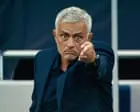
A new three-part Netflix docuseries examines José Mourinho's career and personality, yet presents an inherent tension: the football manager agreed to participate in an intimate documentary whilst simultaneously resisting personal disclosure. When challenged on this contradiction, Mourinho acknowledges his reluctance to discuss himself deeply, suggesting his primary motivation for the project was establishing his preferred public narrative rather than genuine introspection.
The documentary traces major career milestones including his unexpected Champions League triumph with Porto and his highly successful Chelsea period, whilst also documenting his widely-known conflicts with match officials, media figures, and rival manager Pep Guardiola. The series acknowledges both his tactical effectiveness and the success of his confrontational approach to building team culture, yet leaves unresolved questions about the roots of his consistently antagonistic behaviour throughout his managerial career.
- Netflix documentary follows José Mourinho across three episodes, yet he remains guarded and contradictorily resists opening up
- Series chronicles his career achievements (Porto Champions League, Chelsea dominance, Real Madrid success) alongside documented confrontational behaviour toward officials and media
- Documentary examines his siege-mentality management style without fully explaining the underlying causes of his aggressive conduct
Both sides, in good faith
The strongest fair case each way — we don't pick a winner.
The case for
Mourinho is entitled to participate in a documentary project on his own terms without surrendering to therapeutic self-examination. He made his considerable achievements and methods available for scrutiny, which constitutes a substantial contribution; the desire to establish his preferred narrative and protect his privacy are legitimate interests that need not conflict with honest participation. Many accomplished figures engage with documentaries primarily to secure their legacy account rather than to provide psychological vulnerability, and this pragmatic approach is neither inherently dishonest nor unreasonable.
The case against
When a public figure agrees to an intimate, three-part documentary series, audiences and filmmakers reasonably expect genuine openness and self-reflection rather than a carefully managed narrative exercise. The unresolved questions about the roots of Mourinho's consistently antagonistic behaviour throughout his career suggest the documentary cannot achieve its intended depth without the introspection he appears unwilling to provide. If he wished to maintain such firm boundaries over his personal disclosure, a different format—perhaps a shorter, more controlled project—would have been more appropriate than an intimate series designed to explore a person's psychology and motivations.
Americas Art Celebrity Culture Entertainment Film Football Sport TV World