Entertainment news and discussion on TalkFuse.
Ms. Rachel Is Not Sorry For Saying “F*ck”: “Stop Killing Kids”
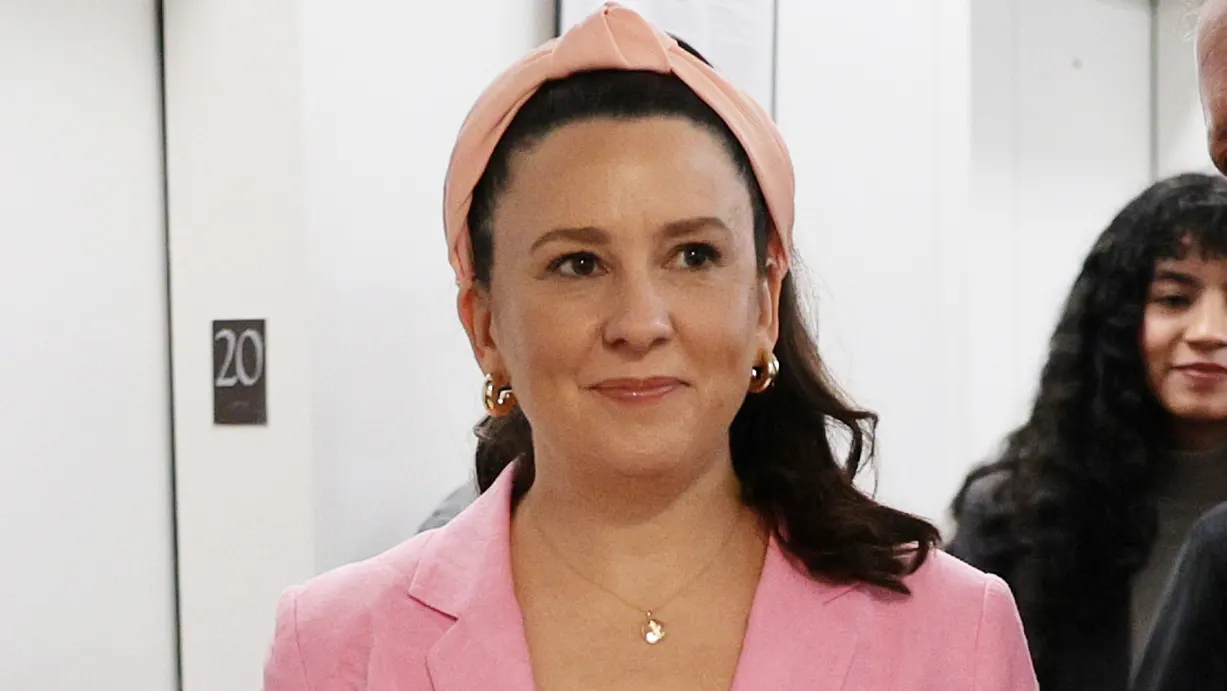
Ms. Rachel (Rachel Accurso), the children's educator, said on the Hasan Minhaj Doesn't Know podcast that she has started swearing, and she has doubled down amid online outrage over her profanity. In an Instagram post she wrote, "Stop killing kids and I'll stop saying f***." Her comments came after she urged celebrities such as Ed Sheeran to speak out about the ongoing violence in Gaza, putting a children's entertainer at the centre of a contentious debate over the conflict and celebrity activism.
On the podcast, she cited Amnesty International, Human Rights Watch, the UN and the Israeli rights group B'Tselem, arguing that they have clearly described the situation as genocide. She also questioned criticism of Macklemore's "end the genocide" remark and of "Free Palestine" slogans, and said that people were "prioritizing language over children's lives." Support for her remains strong on social media, but a petition launched last month to remove her content from Netflix and end her Spin Master toy licensing agreement had more than 35,000 signatures as of Saturday.
In short
- Ms. Rachel says she has started swearing over Gaza
- Petition with over 35,000 signatures seeks to end her Netflix and toy deals
- Support remains strong on social media despite the backlash
Steelman: both sides, in good faith
The strongest fair case each way — we don't pick a winner.
The case for
Supporters argue that a children's educator has a particular moral stake in protecting young lives, and that speaking out about children killed in Gaza follows naturally from that responsibility. They point to reports by Amnesty International, Human Rights Watch, the United Nations and B'Tselem as credible sources and contend that the characterisation of the situation as genocide deserves to be discussed on its substance rather than dismissed because it is uncomfortable. From this view, debates over profanity or slogans can become a way of avoiding the human cost, and blunt language reflects honest urgency about children dying. They also see the freedom to speak plainly on questions of life and death, including as a private citizen, as central to the argument.
The case against
Critics respond that public figures whose work is directed at young children carry obligations to parents who trust their brand, and that taking a side in a deeply contested conflict risks alienating part of that audience. They note that the characterisation of the situation as genocide remains disputed among governments, scholars and legal bodies, and argue that precise language matters because it shapes how the public understands the facts and the responsibilities involved. Many also worry that urging celebrities to speak out can substitute moral pressure for informed engagement, and that objections to phrases such as 'Free Palestine' reflect concern that they may be heard as taking sides in a conflict where many people are grieving different losses. Some parents and licensing partners may reasonably see the use of profanity in children's content as a legitimate question independent of the politics.