Amanda Bland alleges misogyny and abuse in Reform Scotland leadership
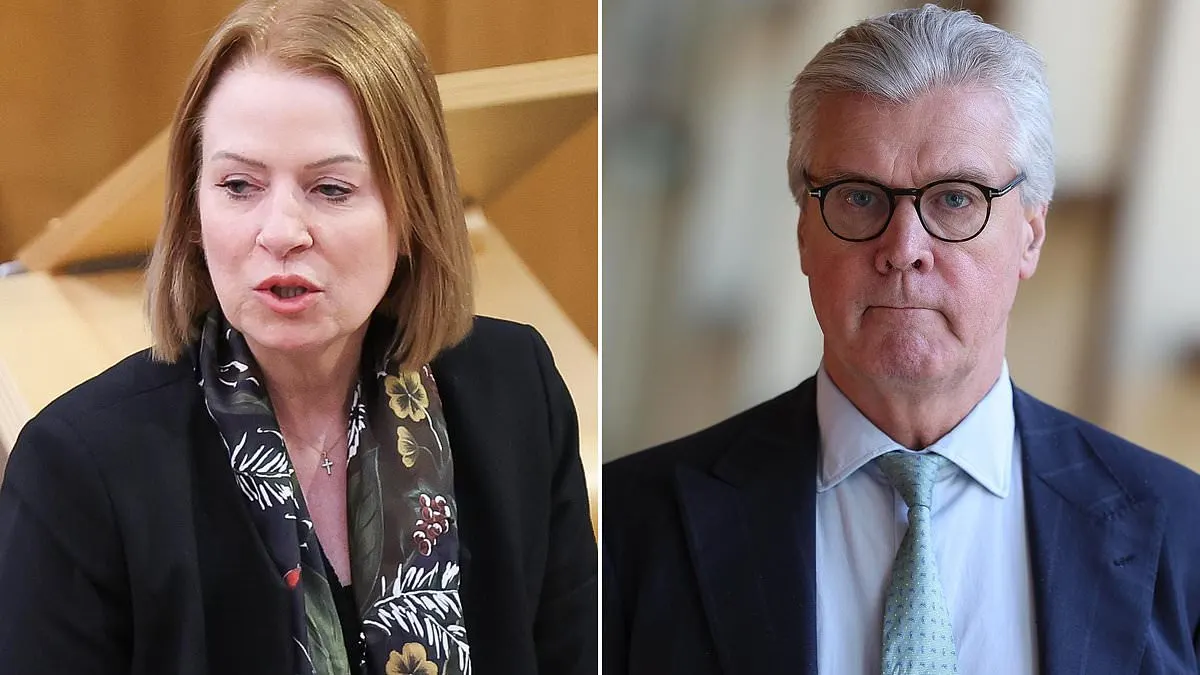
Amanda Bland, a Reform UK MSP who left the party last week to sit as an independent, says she quit because of what she describes as abusive, misogynistic behaviour by senior figures in its Scottish leadership. Her allegations have prompted a dispute over women’s treatment and influence within the party at Holyrood.
Bland said persistent shouting, attempts to undermine her and exclusion from key discussions brought back memories of domestic abuse in her childhood. A former Reform candidate said her account matched their experience and claimed women have little say in the party, which they described as closed and controlling. Reform MSP Senga Beresford rejected the allegations, saying she had not witnessed shouting or felt controlled.
In short
- Amanda Bland says she left Reform over its Scottish leadership’s behaviour.
- A former candidate says her account matches their experience.
- Reform MSP Senga Beresford denies witnessing a toxic culture.
Steelman: both sides, in good faith
The strongest fair case each way — we don't pick a winner.
The case for
Bland’s account, including her description of persistent shouting, undermining and exclusion, raises a serious concern that conduct within the Scottish leadership made it difficult for women to participate and exercise influence. A former candidate’s similar account lends support to the possibility that her experience reflects a wider problem, though the claims remain allegations.
The case against
Beresford says she did not witness shouting or feel controlled, offering a direct account that challenges the suggestion that such behaviour was evident to those involved. The allegations should therefore be assessed carefully and not treated as established fact; differing experiences within the party may leave room for dispute about what happened and how representative it was.
Read the full article at the source →
Originally published by Daily Mail as “MSP says she was forced to quit Reform due to its ‘toxic culture’ for women”.