MTG reveals 35 new Hobbit cards featuring Thorin, Gandalf, Gollum, and more
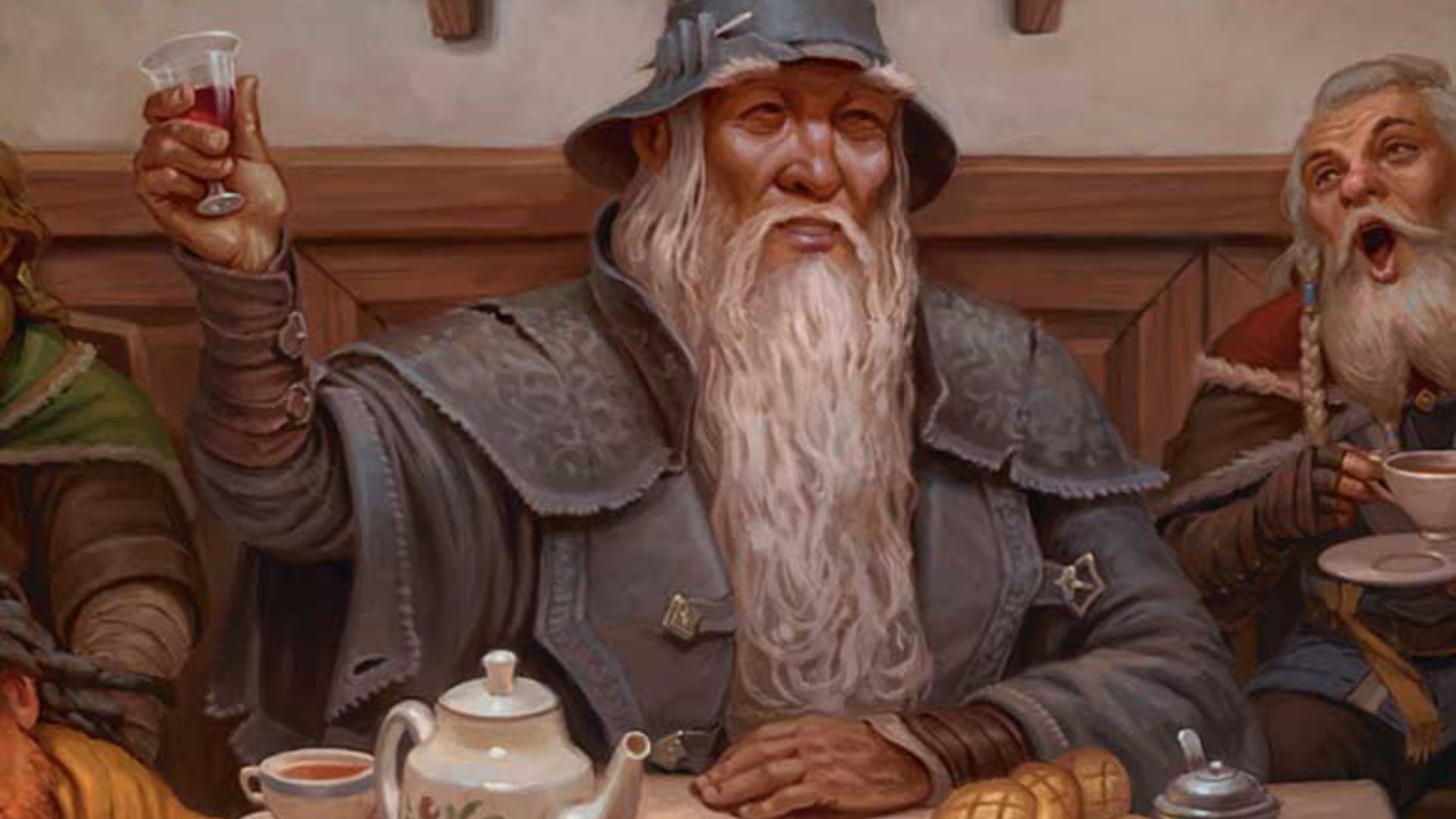
Wizards of the Coast announced a fresh collection of 35 Magic: The Gathering cards inspired by J.R.R. Tolkien's The Hobbit as part of its ongoing Universes Beyond crossover initiative. Unveiled at MagicCon: Amsterdam on July 18, the set draws on the novel's legendary characters, notable locations, and pivotal moments whilst introducing a new signature mechanic called "Storied" that rewards players for controlling multiple artifacts, legendary permanents, and sagas. The announcement generated considerable enthusiasm among players, driven by both the beloved source material and an array of premium collectible variants, including borderless cards with Dwarvish-language text, alternate Book Cover frames, and specialised Scene Boxes.
The legendary cards represent major figures from Tolkien's narrative, with Thorin Oakenshield introducing the Storied mechanic by granting ward abilities to artifacts and creatures, whilst Bard the Bowman and his later incarnation Bard, King of Dale focus on token generation and card draw synergies. The set balances iconic characters across multiple factions—including elves like Thranduil, goblins such as Bolg of the North, and wizard-themed spells—with noncreature cards that recreate memorable moments from the book. The collection demonstrates Wizards' strategy of translating literary source material into distinct mechanical themes tailored to different play styles.
- Wizards of the Coast unveiled 35 Hobbit-themed Magic cards featuring a new 'Storied' mechanic that rewards controlling multiple permanents and sagas
- Legendary characters from Tolkien's novel receive unique card abilities reflecting their narrative roles, with Thorin, Bard, and Gollum leading the set
- Premium collectible treatments available including Dwarvish-language borderless cards and Book Cover frame variants