European cities generate revenue through nightly visitor fees
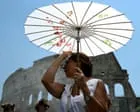
Tourist taxes are new to England but have long been standard practice across continental Europe, where they have proved a lucrative source of income for local authorities, particularly in Italy. Cities typically charge visitors a nightly per-person fee on top of accommodation costs, usually collected at checkout, with the money nominally earmarked for local services and infrastructure strained by tourism.
The practice dates back to Austria's 1842 levy on spa-town visitors and later spread to France, Germany, Switzerland and Italy. Italy's tax was widened under Mussolini, scrapped for the 1990 World Cup, then reintroduced nationally in 2011, starting with Rome. Rates now typically run from €1 to €10 a night depending on destination, rising to €12 for five-star hotels in Milan, and Venice also charges day-trippers a separate entry fee. In 2024 the levy raised €222.4m in Rome, €109.3m in Milan, €82.9m in Florence and €38.9m in Venice, though hoteliers say cash-strapped councils often divert the funds away from the services they were meant to fund.
In short
- England is introducing a tourist tax; Europe already has one
- Italy's tax dates to 1842, revived nationally in 2011
- Rome earned €222.4m from the levy in 2024
Steelman: both sides, in good faith
The strongest fair case each way — we don't pick a winner.
The case for
A nightly visitor fee can help cities recover some of the costs tourism places on local services and infrastructure, while raising revenue from people who benefit from those amenities. The substantial sums collected in Italian cities suggest the levy can provide useful funding, and a modest charge may be less burdensome than raising taxes on residents.
The case against
A visitor fee adds to accommodation costs and may make a city less affordable, particularly for people on tighter budgets or families. If councils divert the proceeds from tourism-related services, as hoteliers say can happen, the charge may fail to address the pressures used to justify it and weaken trust in how public revenue is spent.
Explained simply
Many European cities charge visitors a small fee for each night they stay, added to the cost of their accommodation and usually collected when they check out. The practice began in Austria in the 19th century and spread to countries including France, Germany, Switzerland and Italy.
The amount often depends on the destination and type of accommodation. In Italy, the tax was reintroduced nationally in 2011, and cities such as Rome, Milan, Florence and Venice now raise substantial sums from it; Venice also charges some day-trippers an entry fee.
The money is intended to help pay for local services and infrastructure affected by tourism. Hoteliers say councils do not always spend it on those purposes, as local authorities may redirect the revenue to other needs.
Read the full article at the source →
Originally published by The Guardian as “Much of Europe already levies a tourist tax – a nice little earner for Italian hotspots”.