Musical comedown? Movie template? Untoppable creative peak? The Who’s Quadrophenia is a prog classic
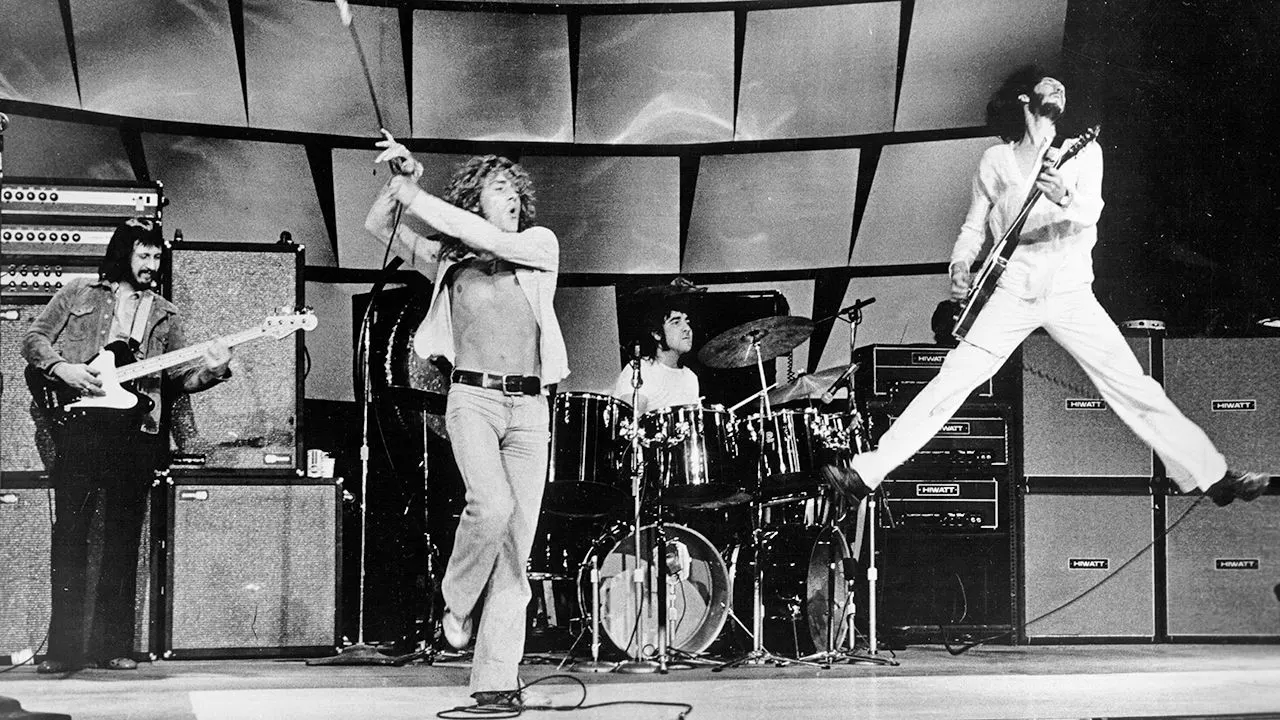
The Who’s *Quadrophenia* is presented as a landmark progressive rock album and a defining work in the band’s career. The article considers its lasting influence and asks whether its reputation rests on the music, its later film adaptation or the idea that it represents the band’s creative peak.
It is a double album released in 1973, built around a story of a young Mod named Jimmy and his search for identity. Its themes and sound helped shape the 1979 film of the same name, while the record’s place among The Who’s major works remains open to debate.
In short
- *Quadrophenia* is regarded as a progressive rock classic.
- The 1973 double album follows Mod Jimmy’s search for identity.
- Its music and film adaptation helped secure its lasting reputation.
Steelman: both sides, in good faith
The strongest fair case each way — we don't pick a winner.
The case for
Quadrophenia can be seen as The Who’s creative peak: its double-album form gives space to a coherent story, while its ambitious arrangements and themes of identity make it more than a collection of songs. Its influence on the later film and on progressive rock reinforces the case that its reputation is grounded in the music itself.
The case against
The album’s reputation may owe as much to the film’s lasting cultural impact and the appeal of its Mod story as to the record’s musical achievements. Listeners who favour the immediacy or songwriting of other Who albums can reasonably view Quadrophenia as an important experiment rather than the band’s untoppable peak.
Explained simply
The Who were a British rock band whose best-known work includes songs such as “My Generation” and “Baba O’Riley”. In 1973, they released *Quadrophenia*, a double album that follows Jimmy, a young Mod trying to find his place in the world.
The Mods were young people associated with smart clothes, scooters and particular music and fashions in 1960s Britain. The album’s story and music later provided the basis for a 1979 film, helping the tale reach audiences beyond the band’s record.
The album is often discussed as a major work in The Who’s catalogue and in progressive rock, a style known for ambitious, extended compositions. Its reputation raises questions about how music, storytelling and a later film can shape the standing of a band’s work.
Business Entertainment Film Markets Music