Musician Kacey Musgraves condemns Columbus as ‘the lamest person to probably ever exist’
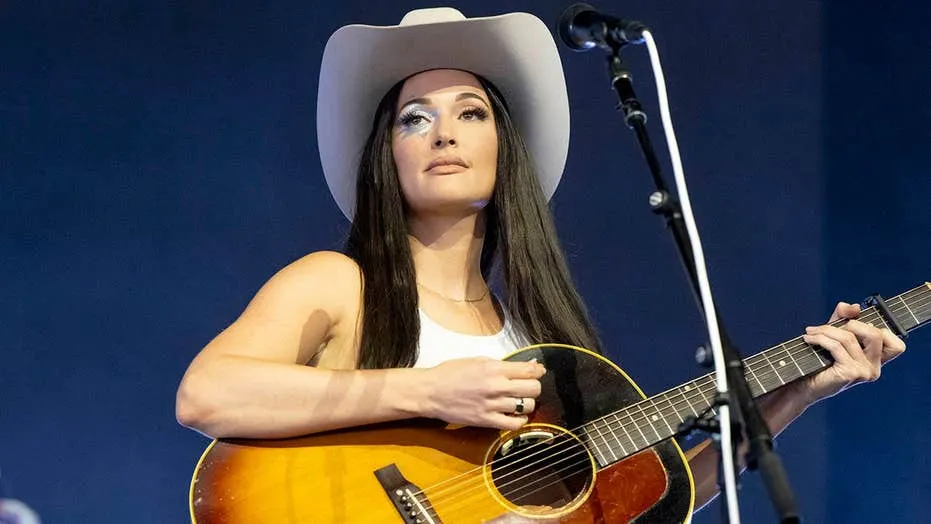
Kacey Musgraves criticised Christopher Columbus during a concert in Dallas on the eve of Columbus Day, after the crowd corrected her by calling it Indigenous Peoples’ Day. Her remarks reflect ongoing disagreement in the United States over whether Columbus should be celebrated, given his role in European exploration and the harms associated with colonisation.
Musgraves called Columbus “the lamest person to probably ever exist” and said the audience hated him. She has recently supported an organisation providing legal aid to children whose parents have been deported and hosted Democratic Senate candidate James Talarico at a concert. Former Trump administration aide Theo Wold defended Columbus, praising his navigation and blaming what he described as poor public-school history education for Musgraves’ view.
- Musgraves denounced Columbus during a Dallas concert.
- The crowd referred to the holiday as Indigenous Peoples’ Day.
- A former Trump aide defended Columbus and criticised her remarks.
New here? Start with this
Christopher Columbus was a 15th-century Italian navigator who sailed for Spain. His 1492 voyage across the Atlantic began sustained European contact and colonisation in the Americas, where Indigenous peoples already lived.
In the United States, a federal holiday named for Columbus has long honoured his voyages. Some people say this overlooks the colonisation and violence that followed; many communities instead mark Indigenous Peoples’ Day to recognise Native peoples and their histories.
The debate reflects wider disagreements about how history should be taught and which figures public holidays should celebrate. Musgraves is a country musician, while Theo Wold is a former aide in the Trump administration; their comments represent different views in that debate.
Both sides, in good faith
The strongest fair case each way — we don't pick a winner.
The case for
Those who reject celebrating Columbus argue that public honours should reflect the consequences of his voyages as well as their navigational significance. His arrival in the Americas helped enable colonisation and profound harms to Indigenous peoples, so recognising Indigenous Peoples’ Day can acknowledge histories and communities that traditional celebrations have marginalised.
The case against
Those who defend commemorating Columbus argue that his voyages were consequential feats of navigation that connected Europe and the Americas, and that his place in history should be discussed in its full context. They may see replacing the holiday as risking an oversimplified account of the past, while favouring education that recognises both exploration and its destructive consequences.