Musk went to “war,” sought jail time for X ad boycotts—but case ends with a whimper
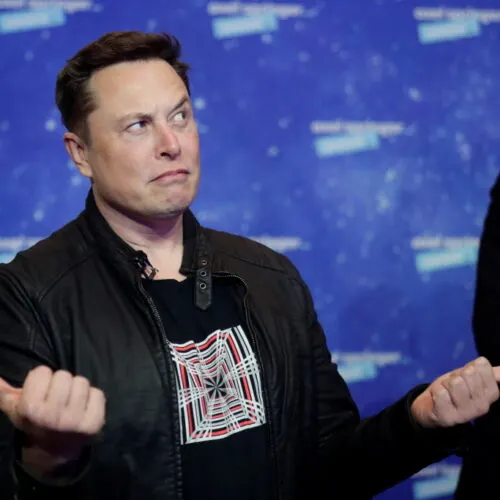
Elon Musk has settled X's lawsuit against the World Federation of Advertisers (WFA), quietly closing a legal battle he once framed as an existential "war" against advertisers who boycotted the platform. X sued the WFA in 2024 after several brands pulled ads following the disbandment of the Global Alliance for Responsible Media (GARM), a brand-safety initiative Musk accused of illegally colluding to tank X's revenue, which had fallen by $1.5 billion. The joint statement announcing the settlement gives little detail, but confirms GARM will remain inactive, which Musk can claim as his main win from the case.
The settlement comes after a court ruled in March that the advertiser boycott was lawful and dismissed X's antitrust claims for lack of proven consumer harm, prompting X to appeal in April, though it seemed to be dragging its feet before quietly settling. The two organisations now describe themselves as "aligned" on brand safety and free speech, sidestepping earlier reports that found hateful content, including posts glorifying Hitler and the Nazi Party, appearing next to major brands' ads on X. The settlement follows the launch of X Money, a payments feature Musk hopes will reduce the platform's reliance on advertising revenue, though it still faces adoption hurdles including account-suspension glitches and unavailability in some US states.
In short
- Musk's X settles its ad-boycott lawsuit against advertiser group WFA
- Court had already rejected X's antitrust claims in March
- GARM, the brand-safety body Musk blamed, stays permanently disbanded
Steelman: both sides, in good faith
The strongest fair case each way — we don't pick a winner.
The case for
X could argue that co-ordinated advertiser decisions, even when presented as individual brand choices, deserve scrutiny if they collectively threaten a platform’s ability to operate. From this view, keeping GARM inactive and reaching alignment on brand safety and free speech are meaningful outcomes, while the settlement avoids a prolonged dispute.
The case against
Advertisers could argue that brands must be free to decide where their adverts appear, especially when they have concerns about harmful content appearing alongside them. The court found the boycott lawful and dismissed X’s antitrust claims for lack of proven consumer harm, supporting the view that the lawsuit did not establish a basis to restrict those choices.
Explained simply
X, formerly Twitter, depends on advertising revenue to operate. In 2024, Elon Musk sued the World Federation of Advertisers (WFA), alleging that executives had orchestrated an illegal boycott of the platform. The dispute stemmed from GARM, an industry body that advised brands on where to place advertisements based on content safety concerns.
Musk claimed advertisers had conspired unlawfully to reduce spending on X as retaliation for his content moderation stance, citing losses of around 1.5 billion dollars. He argued this breached antitrust law protecting against illegal business conspiracies. However, a court ruled in March that the advertisers' actions were lawful and dismissed his antitrust case, finding insufficient evidence of consumer harm.
The underlying dispute reflects a broader tension between free speech and advertiser concerns about brand safety. Major brands withdrew advertisements from X citing concerns about hateful and extremist content appearing alongside their adverts. Musk has consistently prioritised open speech over advertiser concerns, creating ongoing friction between the platform's ownership and its reliance on advertising revenue.