Burnham urged to raise taxes on banks in first budget
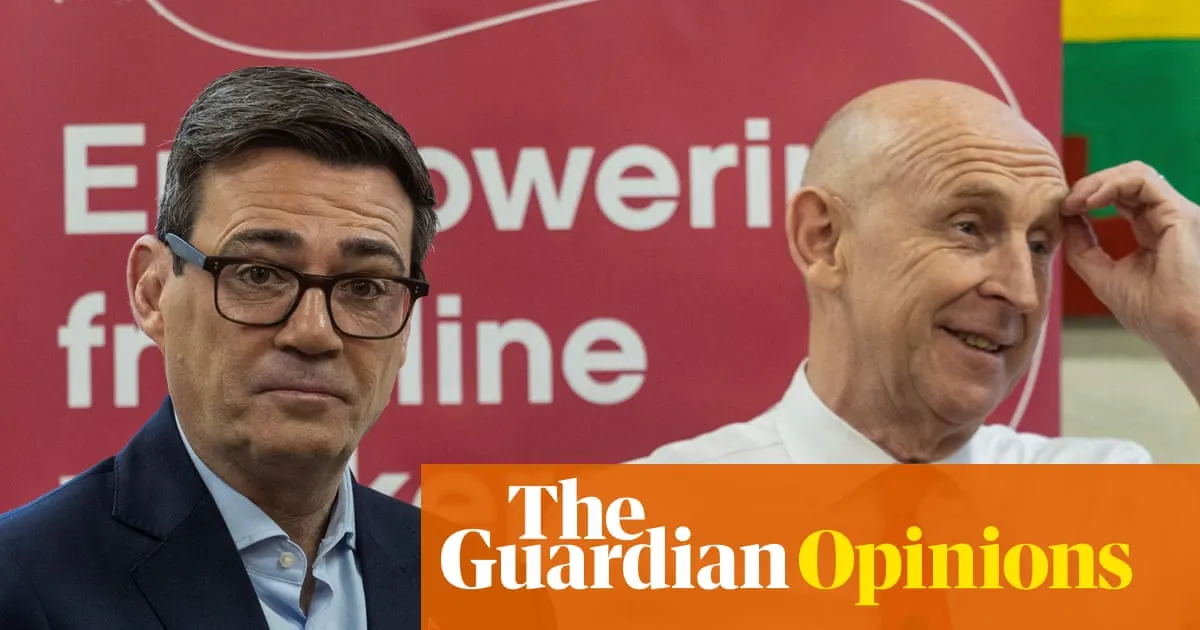
The article argues that Andy Burnham should use his first budget to raise taxes on banks, which the writer says have not repaid the public for the damage caused by the 2008 financial crash. Burnham’s proposed tax rise would reverse earlier cuts to the bank levy and profits surcharge, while signalling a tougher approach to the influence of the financial sector.
The four biggest UK banks reportedly made £13 billion in profits in the first half of this year, up 16% on the same period last year. The article disputes industry claims that higher taxes would make London uncompetitive and recalls that a 2009 levy on bankers’ bonuses raised an estimated £2.3 billion in four months, with banks paying it. The public bailout cost about £23 billion after asset sales, while estimates of the wider economic damage range from 7.5% of GDP to twice that.
In short
- Burnham is urged to raise taxes on banks.
- The four biggest banks made £13bn in half a year.
- A previous bank levy raised £2.3bn in four months.
Steelman: both sides, in good faith
The strongest fair case each way — we don't pick a winner.
The case for
Raising the bank levy and profits surcharge could be justified as a way to ensure highly profitable banks contribute more to public finances, particularly given the lasting costs of the financial crash and the support taxpayers provided. Supporters may also argue that past tax changes weakened this contribution, and that the 2009 bonus levy suggests banks can absorb targeted taxes without immediately abandoning London.
The case against
Opponents may argue that higher taxes could make the UK less attractive for financial activity and investment, potentially shifting jobs, profits or lending elsewhere and reducing tax receipts over time. They may also say that banks already pay substantial taxes, that current profits do not by themselves show what is fair to tax, and that policy should avoid treating the sector as responsible for all the wider economic damage from the crash.
Explained simply
Andy Burnham is the mayor of Greater Manchester and a senior Labour politician. A bank levy is a tax on banks, while a profits surcharge is an extra tax on some of their profits; both have changed over time as governments have tried to balance public revenue with the costs banks face.
The debate follows the 2008 financial crash, when the UK government used public money to support banks and prevent wider financial harm. The direct cost of that support was later reduced through asset sales, but estimates of the crash’s broader economic impact are much larger. Tax proposals therefore raise questions about how the costs of the crisis should be shared and how bank taxes might affect the UK’s financial sector.
Business Elections Geopolitics Politics
Read the full article at the source →
Originally published by The Guardian as “My advice for Burnham’s first budget? Hit the banks – and hit them hard | Polly Toynbee”.