Scottish engineer spends £11,000 preparing garden shelters for emergencies
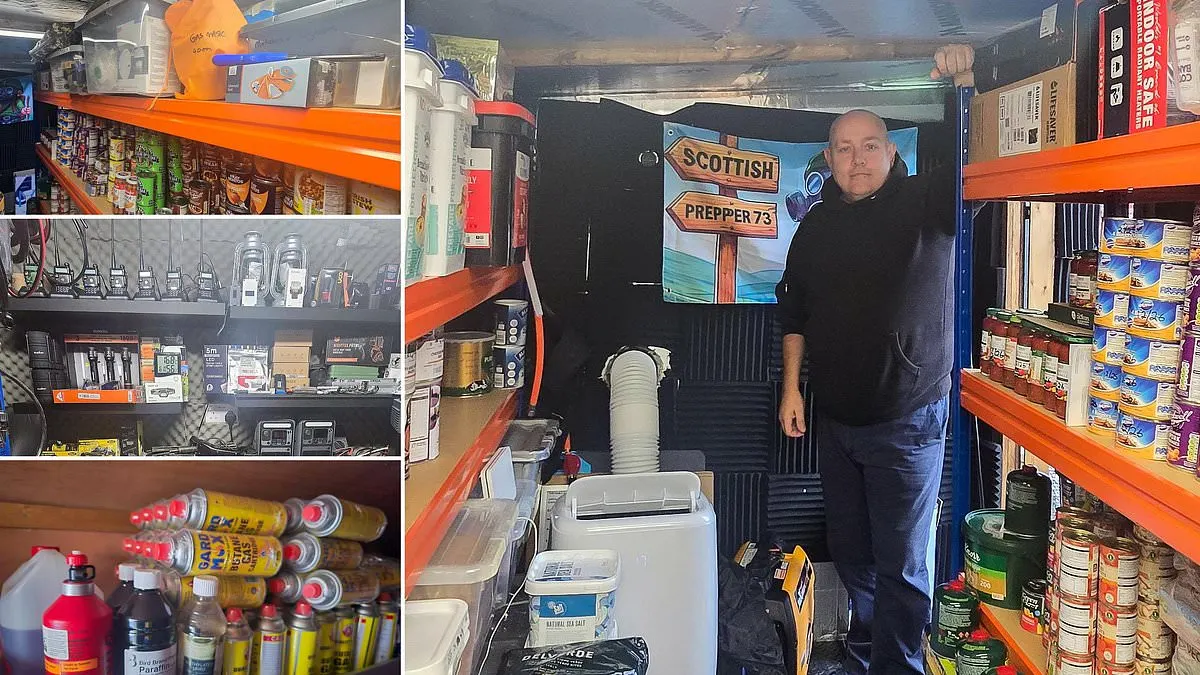
Scottish engineer Brian Forbes says he has spent about £11,000 this year and last preparing two garden shelters for a possible disaster. His plans reflect a wider interest in household emergency supplies, while his family remain sceptical about the scale of his preparations.
The 52-year-old says the shelters have solar panels, independent power supplies, medical equipment, radios and food he estimates could last 25 years. He began stockpiling after severe winter weather in 2010 disrupted roads and deliveries, leaving his young children short of basics. Forbes belongs to an online UK prepper group with more than 16,000 members and says he believes risks such as power and water shortages have increased.
- Brian Forbes has built two stocked shelters in his garden.
- He estimates his supplies could feed his family for 25 years.
- He began preparing after winter disruption in 2010.
New here? Start with this
Household emergency preparations are intended to help people cope if normal services or deliveries are disrupted. Severe winter weather in 2010 affected roads and supplies in parts of the UK, prompting Brian Forbes to start stockpiling after his family struggled to get basic goods.
Forbes says he has equipped two shelters in his garden with power, communications, medical supplies and food. He is part of an online UK group for people who prepare for emergencies, while his family are sceptical about how extensive his preparations are.
The story touches on how much households should prepare for possible disruptions to electricity, water or supplies. People differ in how likely they think such events are and how much preparation is appropriate.
Both sides, in good faith
The strongest fair case each way — we don't pick a winner.
The case for
Forbes’s preparations reflect a reasonable wish to protect his family from disruptions he has experienced before: severe winter weather once left them short of basic supplies. Independent power, communications, medical equipment and stored food could provide reassurance and practical help if deliveries or utilities failed, and supporters may see the spending as a personal choice about preparedness.
The case against
His family’s scepticism reflects a reasonable concern that extensive preparations can consume money and space for events that may never occur, especially when the reported risks and the claimed 25-year food supply are uncertain. They may favour more proportionate emergency supplies and shared decisions about household spending, while recognising the value of being prepared for short-term disruption.
Read the full article at the source →
Originally published by Daily Mail as “My family think I’m crazy… but I’ve spent £11,000 preparing for disaster and have enough food to last 25 YEARS”.