“My idea of a Netflix for games doesn’t work”: Garry’s Mod creator says struggling spiritual successor S&box will go free to play as part of major rethink
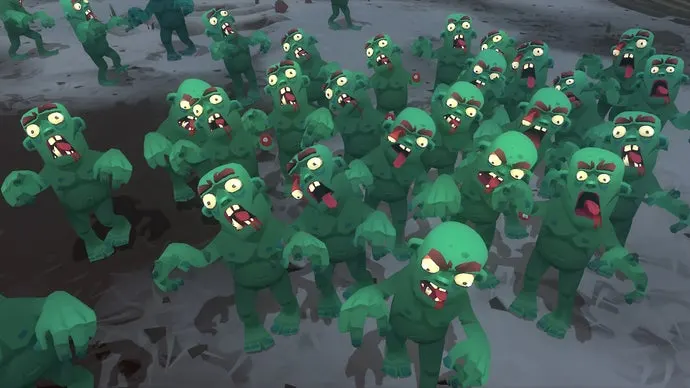
Facepunch founder Garry Newman says S&box will become free to play as the studio rethinks the game after weak reviews and poor player retention. He says the project focused too heavily on its development tools and a hub of user-made games, rather than the experience players get.
Facepunch plans to improve its core sandbox with more NPCs, vehicles, multiplayer features and support for add-ons, while replacing its cartoon-style characters with standard human models. Newman said the “Netflix for games” approach had not worked: AI-generated titles also made it harder to surface quality games. Free-to-play is planned for later this year, with existing buyers receiving exclusive in-game items; those who paid $20 will get more than those who paid $10.
- S&box is planned to go free to play later this year.
- Facepunch is shifting focus towards the core sandbox experience.
- Existing buyers will receive exclusive items.
New here? Start with this
Garry’s Mod is a long-running sandbox game from British studio Facepunch, where players use the game’s tools and add-ons to create their own activities. S&box is Facepunch’s newer project, intended to build on that idea by letting people make and play games created by other users.
Facepunch is led by Garry Newman, the creator of Garry’s Mod. The studio’s challenge is to make S&box appealing both to people who want to create games and to those who simply want to play them. Its plans matter because they may shape how the project attracts players and supports content made by its community.
Both sides, in good faith
The strongest fair case each way — we don't pick a winner.
The case for
Making S&box free to play could remove the upfront cost that limits who tries it, helping the studio build a larger community and test whether a more focused sandbox can retain players. Prioritising familiar features such as NPCs, vehicles and add-ons may also give players a clearer reason to return, while exclusive items recognise earlier buyers.
The case against
Removing the price barrier may broaden access, but it does not by itself resolve the reported problems with reviews and player retention; the revised experience still has to prove it can hold players’ interest. The shift may also disappoint people who bought the game expecting its original vision, and rewards scaled by purchase price could leave some early supporters feeling that their contribution is valued less.