Cecilia Vicuña says poetry helped secure asylum after Chilean coup
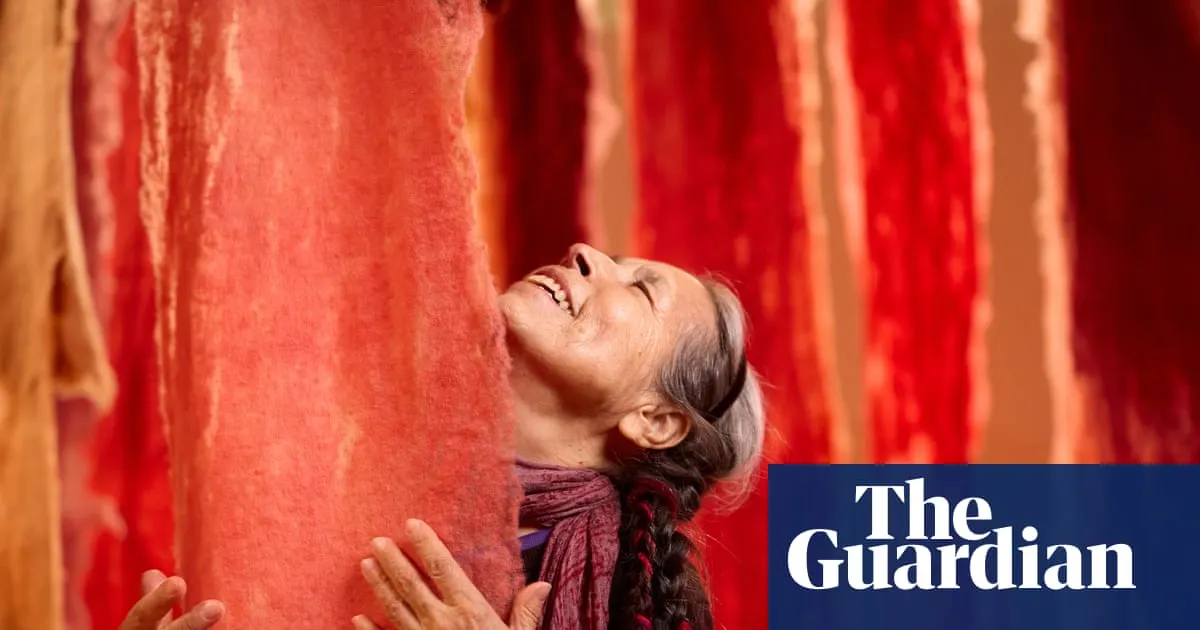
Cecilia Vicuña's poetry secured her asylum in Britain after Chile's 1973 military coup. At 24 years old, the Chilean artist was studying at London's Slade School when General Augusto Pinochet's coup overthrew Salvador Allende's democratic government. Her lawyers argued to immigration judges that she would be killed if she returned to Chile, presenting her newly published book Saborami as evidence of her political activism. The judges granted her asylum, a decision she now describes as one of the defining moments of her life.
Now 78 and one of Latin America's most renowned artists, poets and feminist activists, Vicuña is returning to London for her first major UK exhibition, Living Threads, at the Whitechapel Gallery. The show brings together six decades of her work across painting, textile, photography, installation and film, and includes material from Artists for Democracy, an organisation she co-founded in 1974. Vicuña lived in London from 1973 to 1980 before moving to New York, where she has remained since. Her return comes with mixed feelings, as she reflects on both the poverty and creative vibrancy of 1970s London, and the work she lost during her decades in exile.
- Poetry won her asylum after Chile's 1973 military coup and shaped her life.
- Now 78, she returns to London for her first major UK exhibition.
- Exhibition at Whitechapel spans six decades of work created in exile.
New here? Start with this
Chile's democratic government fell in 1973 when General Augusto Pinochet led a military coup against President Salvador Allende. The takeover was followed by political repression targeting those opposed to the new regime.
Cecilia Vicuña was a 24-year-old artist and poet studying in London when the coup occurred. Unable to return safely to Chile, she sought asylum in Britain, presenting evidence of her political activism—including her poetry collection Saborami—to immigration judges, who granted her request.
Vicuña went on to become one of Latin America's most renowned artists and activists, working in painting, textiles, photography, installation and film. She remained in London until 1980, then moved to New York, where she has lived whilst building an internationally recognised career.
Art Culture Research Science UK World
Read the full article at the source →
Originally published by The Guardian as “‘My poetry won me asylum’: Cecilia Vicuña on exile life in ‘sad’ Britain after Pinochet’s coup”.