World news and discussion on TalkFuse.
My sickening encounter with rapist Russell Brand: How he told me he wanted a baby with me – and my sister – six months after his wedding to Katy Perry: JONICA BRAY
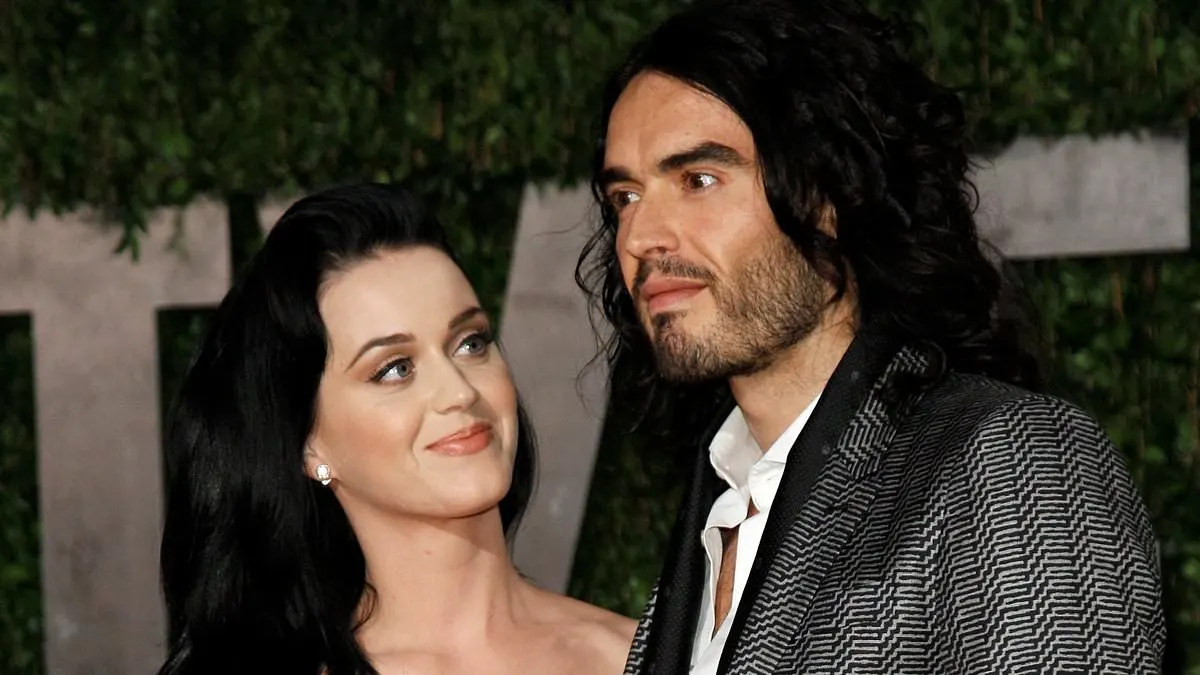
The writer describes interviewing Russell Brand in Sydney in April 2011, six months after his marriage to Katy Perry. She says he responded to her question about the couple’s plans for children by suggesting he wanted babies with her and her sister, then asked whether they would attend the premiere after-party and where they were going afterwards. The account has resurfaced as Brand’s rape conviction came up in the writer’s newsroom, where colleagues also recalled unsettling encounters with him.
The writer says she and her sister initially took Brand’s remarks as a joke, but his prolonged stare and repeated comments made the exchange feel uncomfortable. Brand was in Sydney promoting the film *Arthur*, with a press conference on 14 April and a premiere the following day. The article places the encounter within the period from 2006 to 2013, when Brand faced allegations and was later convicted of rape and sexual assault; the supplied text ends as it begins to describe his separation from Perry.
In short
- The writer recalls an unsettling 2011 interview with Russell Brand.
- She says he suggested having babies with her and her sister.
- The encounter took place during his Sydney promotion for *Arthur*.
Explained simply
Russell Brand is a British comedian and actor who was married to singer Katy Perry from 2010 to 2012. In April 2011, he was in Sydney promoting the film Arthur, and journalist Jonica Bray interviewed him there with her sister.
Bray says Brand made comments about wanting children with her and her sister, then asked about their plans after the film’s premiere. She and her sister first took the remarks as a joke, but say his repeated comments and stare made them uncomfortable.
The account is set against allegations about Brand’s conduct between 2006 and 2013, and his later conviction for rape and sexual assault. It matters because it describes how one interviewee experienced an encounter with him during that period.