Video games news, releases, esports and culture — all the biggest gaming stories in one place.
My sluggish limbs mean I’m terrible at Black Myth: Wukong on both a controller, as well as mouse and keyboard—so surely a brain-computer interface is the answer
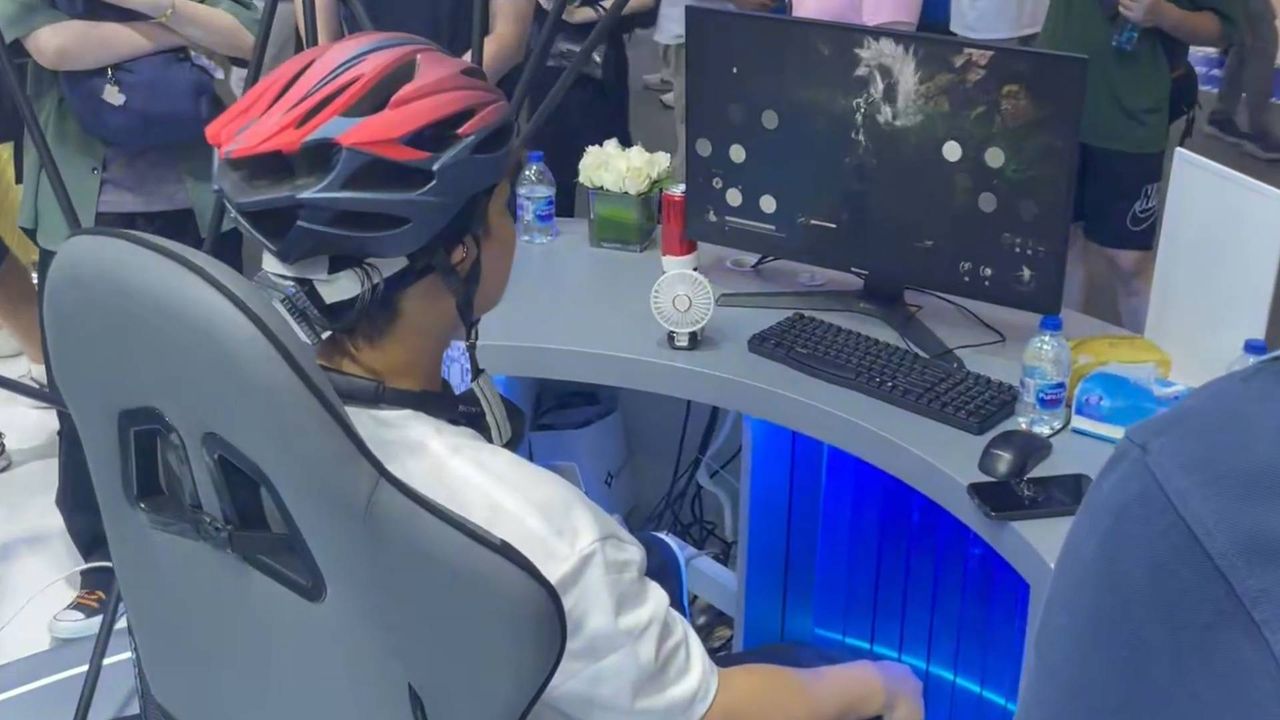
This is an opinion piece from PC Gamer in which the writer reflects, with a degree of self-deprecating humour, on their own poor reaction times and dexterity making them consistently bad at Black Myth: Wukong's demanding combat, regardless of whether they use a controller or mouse and keyboard. The piece uses this personal struggle as a springboard to muse, tongue-in-cheek, on whether a brain-computer interface might one day offer a more direct—and faster—way to translate intent into in-game action than conventional peripherals can.
The article does not present hard news or data; rather, it is a first-person, light-hearted take on the limitations of traditional input devices for fast, punishing action games, using the author's own "sluggish limbs" as the running joke. The broader context is the growing conversation around brain-computer interface technology and whether such advances could eventually filter into gaming as an alternative control method for players who feel let down by their own reflexes.
In short
- Writer struggles with Black Myth: Wukong on both controller and mouse/keyboard.
- Blames their own slow reflexes rather than the game or hardware.
- Jokingly suggests a brain-computer interface as a solution.
Explained simply
Black Myth: Wukong is an action video game known for its fast-paced, demanding combat system that requires quick reflexes and precise reactions. The game is popular but notoriously difficult, presenting a significant challenge to players regardless of their choice of controller or mouse and keyboard.
Brain-computer interfaces are an emerging technology that aims to enable direct communication between the human mind and computers, potentially allowing users to control systems through thought rather than traditional input devices like controllers or keyboards. The technology is still largely experimental but is being explored by researchers and companies for eventual consumer use.
The intersection of challenging action games and brain-computer interface technology has generated discussion about the future of gaming controls and accessibility. It raises questions about whether new technologies might eventually offer alternative ways for players to interact with demanding video games and computers more broadly.