News, events and chat from Sheffield and South Yorkshire.
‘My toddler dialled 999 when I collapsed at home’
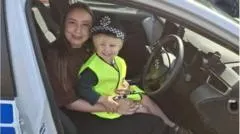
A three-year-old boy from Doncaster, James, dialled 999 after his mother, Georgia, collapsed at home while looking after him and his five-month-old sister. Georgia, 28, had been feeling unwell and fainted due to postural hypotension and dehydration; James had learned how to call 999 during a family visit to the National Emergency Services Museum in Sheffield. His quick thinking meant a police call handler was able to guide him through the situation until his mother regained consciousness.
The call handler, Jen, calmed James by turning the situation into a game, asking him to "tickle" his mum awake rather than giving instructions that might frighten him. South Yorkshire Police officers attended the family's Hatfield home to check on Georgia and later returned to give James a toy police helicopter in recognition of his actions. Georgia, who suffered severe sickness during her second pregnancy, said she hoped the story would encourage other parents to teach their children how to call 999 in an emergency.
In short
- Doncaster toddler, 3, called 999 when mum collapsed at home.
- He'd learned the skill at Sheffield's emergency services museum.
- Police gave him a toy helicopter for his quick thinking.
Steelman: both sides, in good faith
The strongest fair case each way — we don't pick a winner.
The case for
Equipping young children with basic emergency awareness can be life-saving, as this account demonstrates. Emergency services personnel are trained to accommodate children callers and can guide them through critical situations using age-appropriate communication. Teaching children about 999 is a simple parenting measure that costs nothing and may prove invaluable when adults are unable to help themselves.
The case against
Depending on very young children to manage emergency responses is unreliable and potentially counterproductive. Children aged three lack the cognitive development to consistently recognise genuine emergencies or follow instructions under stress, and the approach risks generating non-emergency calls that burden stretched services. Proven safety measures such as medical alert systems, teaching older children, and ensuring appropriate supervision provide more dependable protection.
Explained simply
In the UK, 999 is the number to call for urgent help from the police, fire service or ambulance service. A call handler answers and asks what has happened, then contacts the right emergency service and can stay on the line to offer help.
Young children can learn to call 999 and say where they are and what is wrong, though they may need an adult to help them practise. Emergency call handlers are trained to speak with callers of different ages and guide them through what to do while help is arranged.
Postural hypotension is a sudden drop in blood pressure that can cause dizziness or fainting, often when someone stands up. Dehydration means the body has lost more fluid than it has taken in; together, these conditions can leave someone unwell or unable to respond.