Politics news and discussion on TalkFuse.
UN court to rule on The Gambia’s genocide case against Myanmar
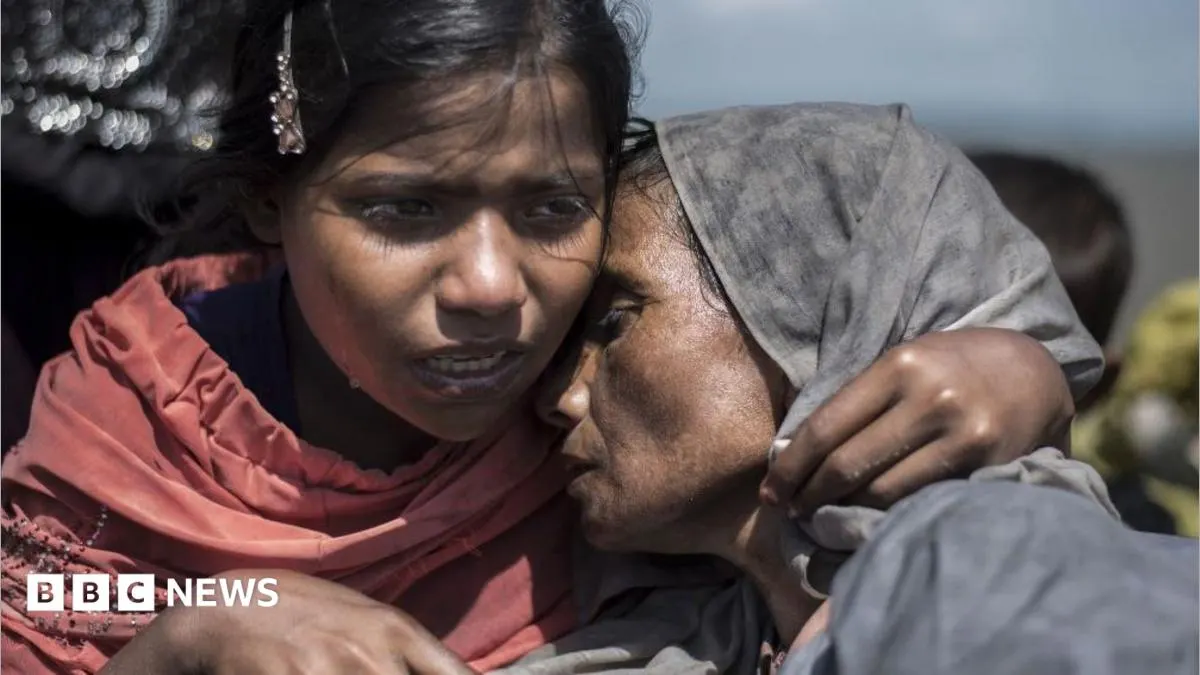
The International Court of Justice is due to rule on The Gambia’s case accusing Myanmar of genocide against the Rohingya, in a decision that could mark a first: no state has previously been found guilty of genocide by an international court. The case tests how the 1948 Genocide Convention can be enforced and whether a country not directly affected can bring a claim on behalf of its obligations under the treaty.
Hundreds of thousands of Rohingya fled Myanmar in 2017 amid attacks that included killings, torture, rape and the burning of villages, documented by human rights groups and a UN fact-finding mission. Myanmar has denied genocide, saying its military operations responded to attacks by Rohingya militants; The Gambia filed its case in 2019 with support from the Organisation of Islamic Co-operation, and the ICJ accepted its standing to pursue it.
In short
- The ICJ is set to rule on The Gambia’s genocide case against Myanmar.
- No state has yet been found guilty of genocide by an international court.
- The case concerns the 2017 military crackdown and Rohingya displacement.
Steelman: both sides, in good faith
The strongest fair case each way — we don't pick a winner.
The case for
The Gambia’s case argues that the scale and pattern of killings, sexual violence and village destruction, alongside the mass flight of Rohingya, warrant a finding that Myanmar violated the Genocide Convention. Such a ruling could affirm that the treaty imposes obligations on all its parties and that a state need not be directly harmed to ask the court to uphold them.
The case against
Myanmar argues that its military operations were a response to attacks by Rohingya militants, and disputes the charge of genocide; a careful assessment should distinguish evidence of grave abuses from proof of the specific intent required for genocide. It can also argue that the court must apply that demanding legal standard to the evidence before it, rather than let the seriousness of the allegations determine the finding.
Explained simply
The Rohingya are a mostly Muslim minority from Myanmar, where many have faced restrictions and discrimination. In 2017, a military campaign drove hundreds of thousands across the border into Bangladesh; accounts of killings, sexual violence and burned villages were documented by rights groups and a UN inquiry.
The Gambia brought its case under the 1948 Genocide Convention, a treaty that requires countries to prevent and punish genocide. It is not directly affected by events in Myanmar, so the case also concerns whether a country can ask the International Court of Justice to enforce obligations shared by all states party to the treaty.
Myanmar says its military acted in response to attacks by Rohingya militants and denies committing genocide. The court’s case concerns the responsibility of states under international law, and could shape how the Genocide Convention is applied.
Read the full article at the source →
Originally published by BBC World as “Myanmar faces historic genocide verdict at UN court over Rohingya massacres”.