Business news and discussion on TalkFuse.
Mystery Wi-Fi network aboard flight raises ‘unusual’ alarm about travelers’ information
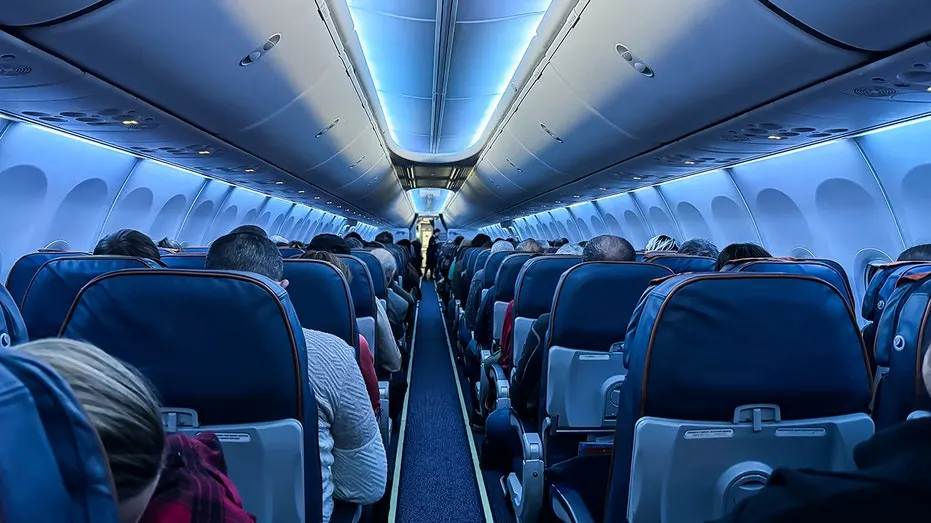
A Delta Air Lines flight from Las Vegas to Atlanta was briefly disrupted on Monday 10 August after an unauthorised Wi-Fi network appeared on board, prompting the crew to switch off the aircraft's internet for around 30 minutes as a precaution. Delta has confirmed that none of its systems, including the in-flight Wi-Fi, were hacked, and that no aircraft operating systems were affected or safety compromised. The airline is investigating alongside federal law enforcement and aviation regulators, and the incident has prompted fresh scrutiny of how passengers can protect their information while connecting to Wi-Fi mid-flight.
No emergency was declared and the flight continued on to Atlanta as planned. Social media posts claimed the rogue network was named "Delta WiFi Fast" and suggested some passengers had just attended a cybersecurity conference in Las Vegas, though this has not been officially confirmed. Travel expert Lee Abbamonte described the appearance of an unauthorised network on a commercial flight as unusual, warning that passengers are especially vulnerable as a "captive audience". He urged travellers to connect only to the network explicitly named by their airline and suggested carriers should announce the correct Wi-Fi network name during safety briefings to reduce confusion.
In short
- Delta flight's Wi-Fi was disabled after a rogue network appeared on board
- Delta says no systems were hacked and flight safety was never at risk
- Experts advise verifying the official airline network before connecting mid-flight
Steelman: both sides, in good faith
The strongest fair case each way — we don't pick a winner.
The case for
The incident reveals a genuine vulnerability in commercial aviation's Wi-Fi security, where passengers cannot easily verify network authenticity or avoid rogue connections whilst airborne. Airlines should improve passenger awareness through announcements of legitimate network names and strengthen Wi-Fi authentication standards, as the captive nature of air travel means passengers cannot seek alternatives once airborne and must rely on airlines to ensure basic security standards.
The case against
The incident was detected and remedied without any actual passenger impact or system compromise, suggesting current security monitoring systems are functioning effectively. Implementing additional industry-wide protocols in response to isolated incidents, absent evidence of systemic exploitation or widespread passenger harm, risks creating regulatory burden disproportionate to the demonstrated risk. Passengers already have available security practices—using VPNs, avoiding sensitive transactions on public Wi-Fi—and individual responsibility should complement rather than be replaced by airline-mandated security measures.
Explained simply
In-flight Wi-Fi lets passengers connect their phones and laptops to the internet while an aircraft is travelling. Airlines provide access through onboard networks, but passengers may need to check the network name and follow the airline’s sign-in steps before connecting.
A Wi-Fi network can be set up to look like a trusted one, potentially leading people to share information with the wrong service. Passengers can reduce that risk by confirming the network name with the airline and avoiding sensitive activity on public connections. Airlines, regulators and law enforcement oversee different aspects of aviation security and are involved in examining incidents that may affect passengers or flight operations.
Business Culture Markets Offbeat Paranormal Travel Weird & Viral World