World news and discussion on TalkFuse.
N Korea has built two-storey uranium enrichment facility, says watchdog
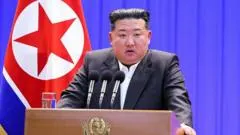
North Korea has constructed a new two-storey uranium enrichment facility at its main Yongbyon nuclear complex, the head of the UN's nuclear watchdog has said, describing the development as a "serious concern". The International Atomic Energy Agency (IAEA) reported the building could house up to 28 centrifuge cascades, and said Pyongyang has also begun operating an expanded annex at another site. The findings underline the continued, steady expansion of North Korea's nuclear infrastructure despite international sanctions and UN Security Council resolutions barring the programme.
The IAEA, which has had no inspectors inside North Korea since its expulsion in 2009, relies on satellite imagery to make its assessments. It first flagged the new building in June, around the time leader Kim Jong Un visited what state media called a "newly inaugurated nuclear materials production factory", praising its "greatly expanded production capacity". The agency also noted signs that another enrichment facility at Kangson, near Pyongyang, became operational in January. North Korea, which declared itself a nuclear power in 2022, is estimated to hold dozens of warheads and to be producing 15 to 20 more annually; South Korea's president has proposed talks aimed partly at halting the North's nuclear advances, but Pyongyang has not responded.
In short
- North Korea built a new two-storey uranium enrichment building at Yongbyon
- IAEA says it could hold up to 28 centrifuge cascades
- South Korea's peace talks proposal remains unanswered by Pyongyang
Steelman: both sides, in good faith
The strongest fair case each way — we don't pick a winner.
The case for
Supporters of stronger international pressure argue that expanding enrichment brings North Korea closer to producing more nuclear weapons and increases risks to regional and international security. They see sanctions and Security Council resolutions as necessary tools to constrain the programme, while talks should aim for verifiable limits on further expansion.
The case against
Critics of continued sanctions and pressure argue that they have not stopped North Korea’s nuclear development and may deepen its isolation without improving security. They favour sustained diplomacy and security assurances, reasoning that Pyongyang may be more willing to discuss limits if it sees a credible path to reduced confrontation and a negotiated settlement.
Explained simply
North Korea’s nuclear programme is run by the state under leader Kim Jong Un. At Yongbyon, its main nuclear complex, uranium can be processed and enriched using machines called centrifuges; the resulting material can be used in nuclear weapons. Kangson is another site near the capital, Pyongyang.
The International Atomic Energy Agency (IAEA) is the UN body that monitors nuclear programmes, but its inspectors have not been allowed into North Korea since 2009. It therefore uses satellite images to assess activity there, while North Korea has declared itself a nuclear power and is believed to have a growing stockpile of warheads.
UN Security Council resolutions bar North Korea’s nuclear weapons programme, and sanctions have been imposed over it. The programme is also a central issue for neighbouring South Korea, whose president has proposed talks to limit its expansion.