Culture news and discussion on TalkFuse.
Nadja review – Dracula’s daughter is divine in dreamy lo-fi modern vampire tale of predatory sexuality
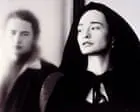
This is a review of Michael Almereyda's 1994 vampire film Nadja, which the critic praises as an atmospheric "midnight-movie" gem. Shot largely in indistinct monochrome with dreamlike transitions and looming close-ups, the low-budget indie was bankrolled and executive-produced by David Lynch, who also appears in a cameo as a morgue attendant, and the review highlights its striking style and mood decades after release.
The film imagines that Dracula has recently died, with his spirit living on through his glamorous daughter Nadja, played by Elina Löwensohn, alongside her manservant Renfield and ailing brother Edgar (Jared Harris). Peter Fonda appears as an eccentric Van Helsing, and the story moves from New York to Transylvania, taking in seduction, family drama and dark comic touches along the way. The reviewer compares it favourably to Abel Ferrara's The Addiction, released a year later, and singles out the film's poetic dialogue and eerie sound design as key strengths.
In short
- Guardian reviews 1994 vampire film Nadja by Michael Almereyda.
- David Lynch executive-produced and cameos as a morgue attendant.
- Praised for lo-fi visuals, dreamlike style and witty, poetic script.
Explained simply
Nadja is a 1994 independent vampire film written and directed by Michael Almereyda. It draws on Bram Stoker’s Dracula, the novel that introduced the vampire hunter Van Helsing and Dracula’s servant Renfield, but centres on Dracula’s daughter after her father’s death.
Elina Löwensohn plays Nadja, whose family includes her ailing brother Edgar and the servant Renfield. Peter Fonda plays Van Helsing, while filmmaker David Lynch helped finance the film and appears briefly.
The film was made on a small budget and uses mostly black-and-white images, unusual transitions and a spare soundscape to create its atmosphere. Its approach places it among independent vampire films of the 1990s, including Abel Ferrara’s The Addiction, released the following year.
Art Culture Entertainment Film Horror