NASA Cancels Its Rescue Mission for the Aging Swift Telescope
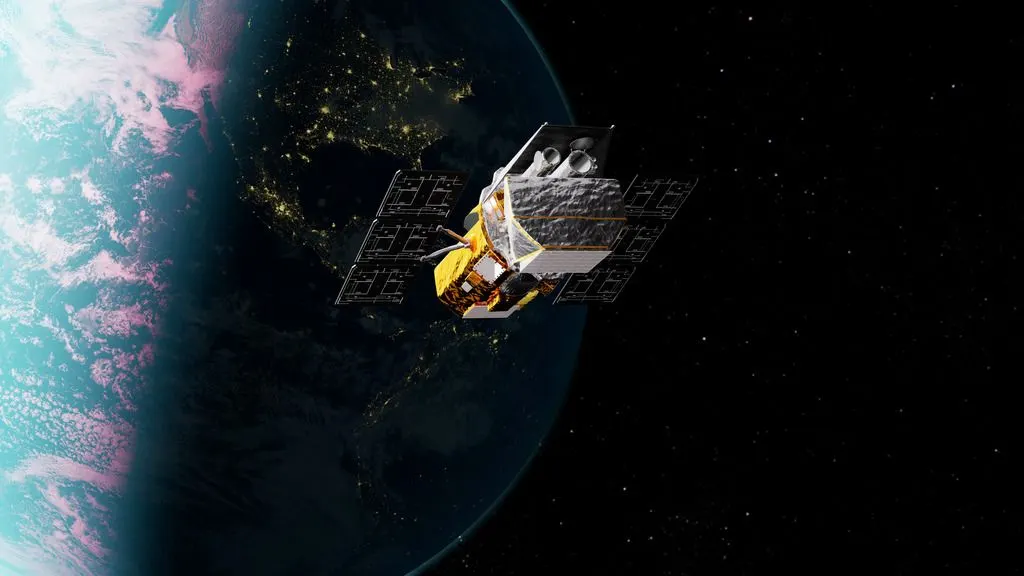
NASA has abandoned its plan to rescue the ageing Swift space observatory, ending hopes of extending the mission of a telescope that has spent more than two decades studying gamma-ray bursts, the most powerful explosions in the universe. Swift lacks the propulsion needed to counter atmospheric drag, and increased solar activity in 2024 sped up its orbital decay, prompting NASA to attempt an ambitious robotic capture-and-boost mission rather than let the observatory burn up.
The rescue relied on Katalyst Space Technologies' LINK spacecraft, launched on 3 July 2026, which was meant to grab Swift with mechanical arms and lift it to a safer orbit. Attitude control failures soon after launch left engineers unable to fix the problem, forcing NASA administrator Jared Isaacman to cancel the capture on Wednesday, though LINK will still perform close-proximity manoeuvring tests near Swift to inform future satellite-servicing missions. Without intervention, Swift is expected to re-enter the atmosphere and largely burn up before the end of 2026, with the exact time and location still uncertain.
- NASA scraps robotic rescue of the ageing Swift telescope
- LINK spacecraft's control failures forced the mission's cancellation
- Swift likely to re-enter Earth's atmosphere before 2026 ends